Alpharetta, GA
Trucking Insurance in Alpharetta, Handled by One Person
We write primary auto liability, motor truck cargo, physical damage and bobtail coverage for owner-operators, new MC authorities, hotshot and box truck runs, dump trucks and small fleets. Carriers from Alpharetta to Roswell and Johns Creek work with one contact who builds the quote, sends the filings and issues certificates.
- One contact per account
- Federal filings handled
- Certificates issued by us
- Office, phone or video
How Getting Covered Works
From the first call to the certificate in a broker's inbox, one person handles each step.
- 1
A conversation about your operation
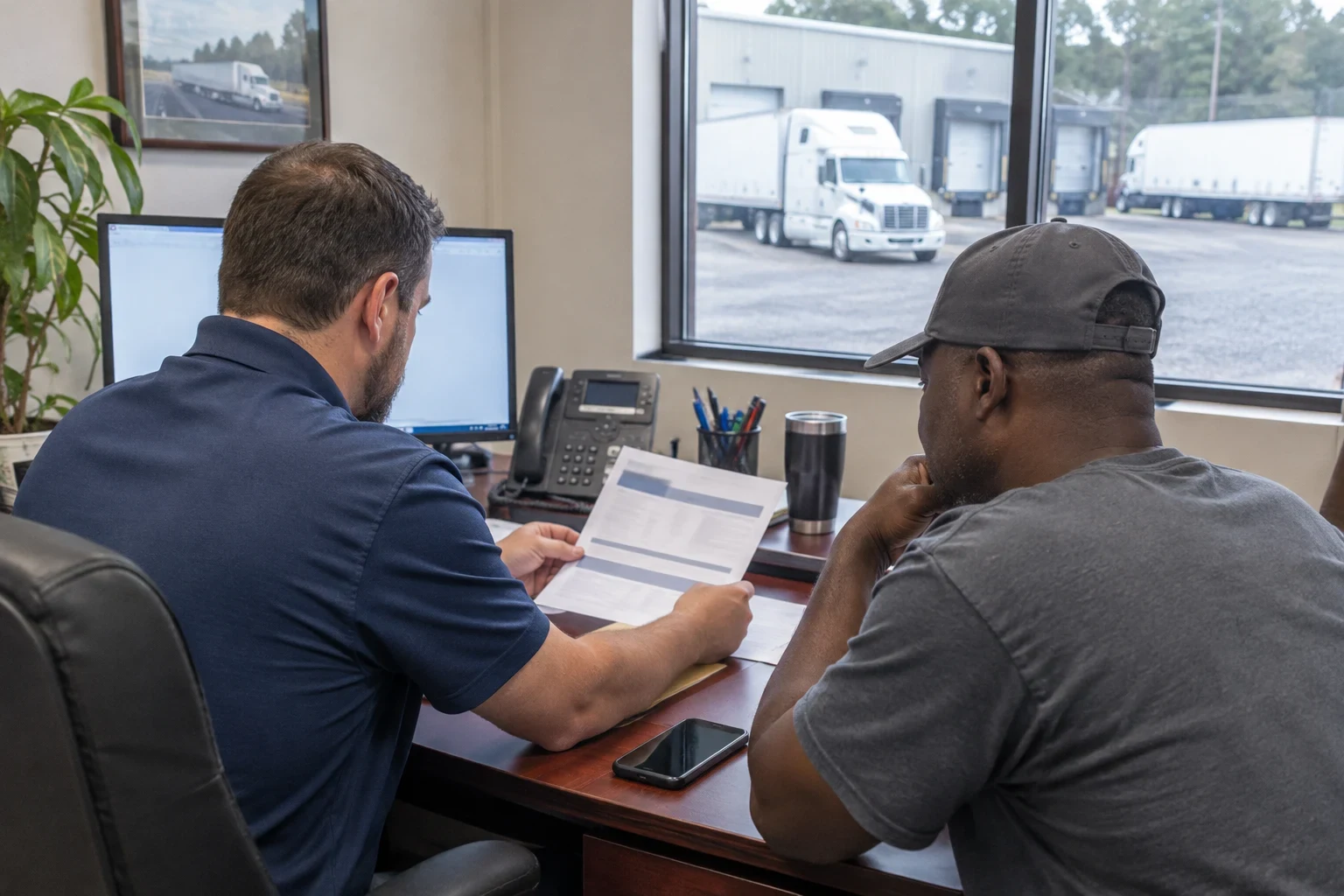
We start by phone, video or at our office. We ask what you haul, where you run, how many power units and trailers you have, and who drives them.
- 2
Gathering the details
Have your DOT and MC numbers ready, plus VINs and stated values, a driver list with CDL details and dates of birth, and three to five years of loss runs if you have prior coverage. New ventures can skip the loss runs.
- 3
Reviewing the quote line by line
We go through limits, deductibles, exclusions and endorsements with you. You will know what the cargo form leaves out and how physical damage values are settled.
- 4
Binding, filings and certificates
Once you approve, we bind coverage, send the required filings to the FMCSA and issue certificates to the brokers and shippers you name.
- 5
Ongoing changes and renewal
Adding a truck, dropping a driver or picking up a new lease goes through the same contact. At renewal we review what changed in your operation before the new terms come in.
Coverage for How Your Trucks Actually Run
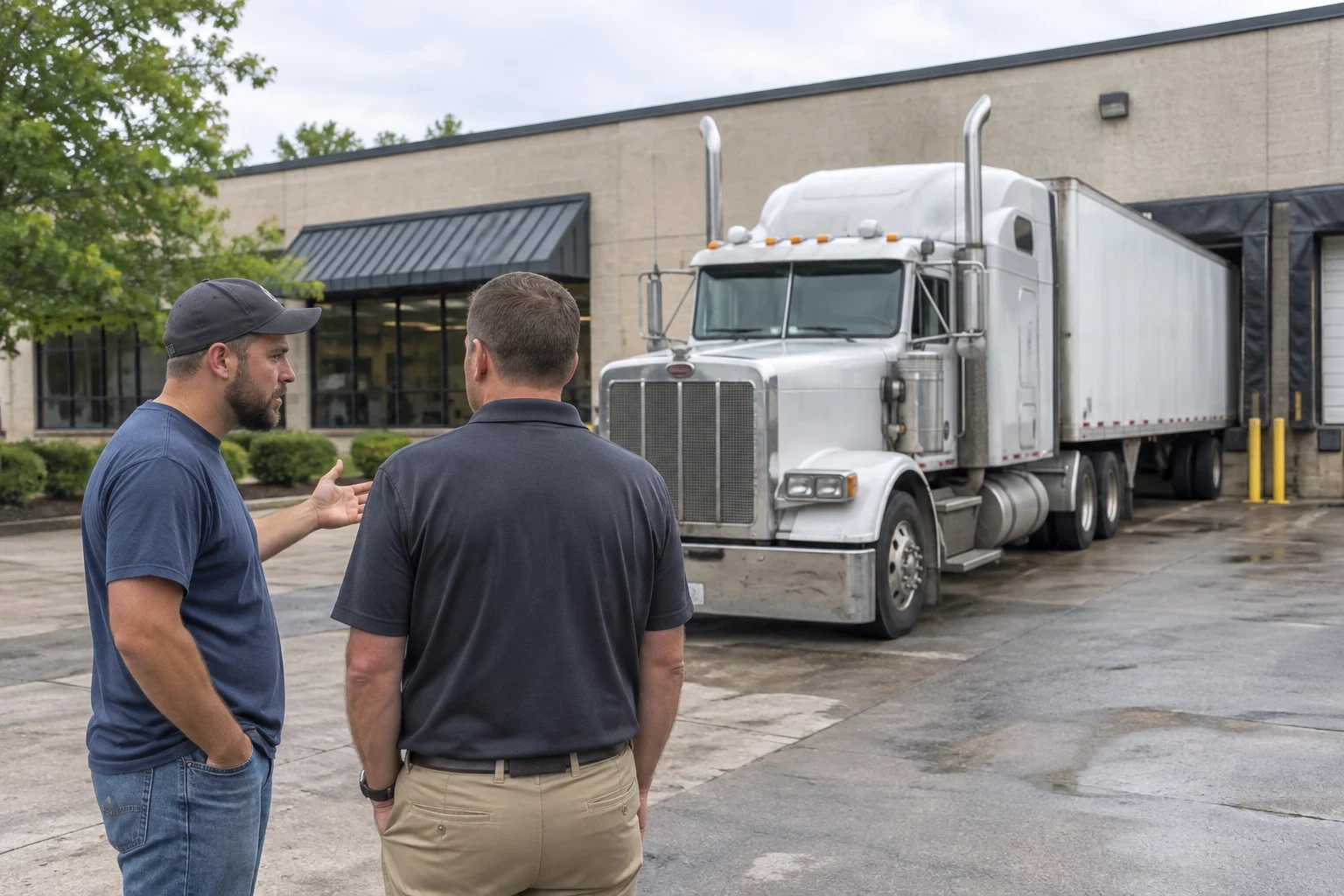
We are licensed for property and casualty insurance, and trucking is the work we focus on. Most operations need a stack of policies that fit together: primary auto liability for the authority, motor truck cargo for the freight, physical damage for the tractor and trailer, plus trailer interchange or non-trucking liability (bobtail) depending on your leases. We also write packages built around the equipment, including hotshot truck insurance, box truck insurance, and dump truck and construction truck insurance. Each piece is explained by what it pays for and what it excludes, so you know where the gaps are before a claim finds them.
Commercial Trucking Insurance
Liability, cargo, physical damage and the federal filings your authority needs, built as one program and handled by one person who knows your file.
Primary Auto Liability
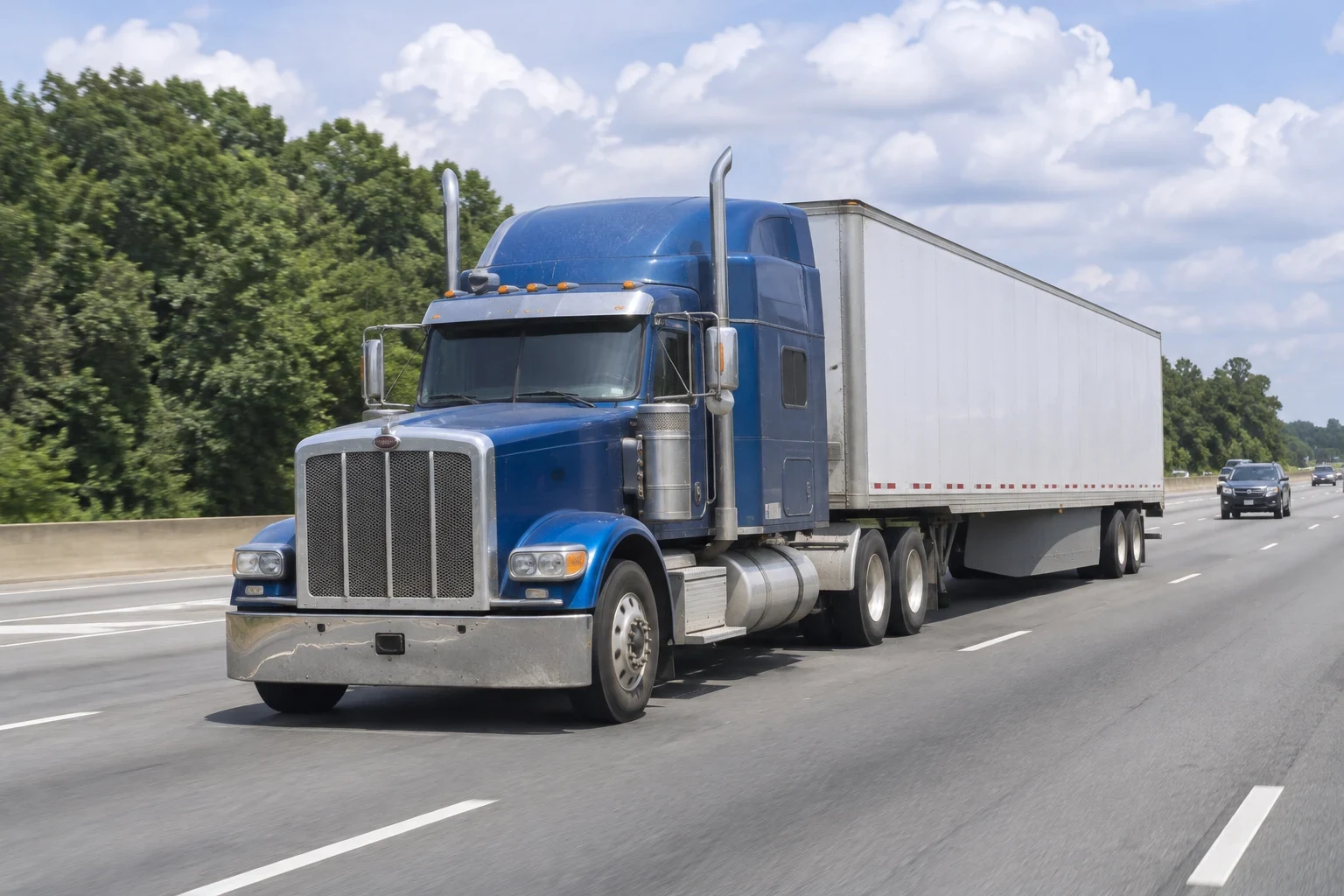
The liability coverage your MC authority depends on, with the federal filing, certificates and driver changes handled by one person who knows your file.
Physical Damage Insurance
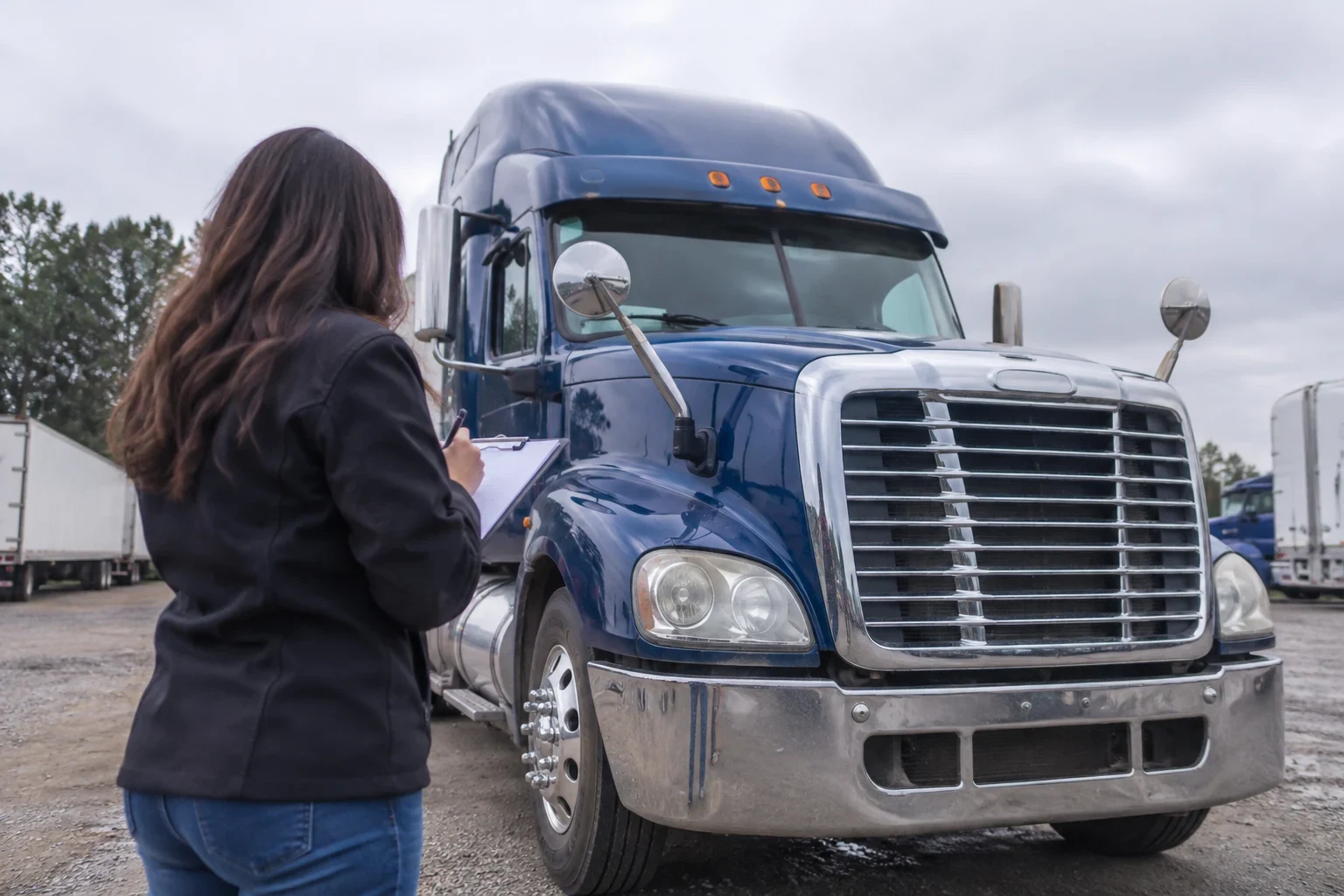
Collision and comprehensive coverage that pays to repair or replace your tractor, straight truck or trailer, set at a stated value that matches what the unit is really worth.
Motor Truck Cargo Insurance
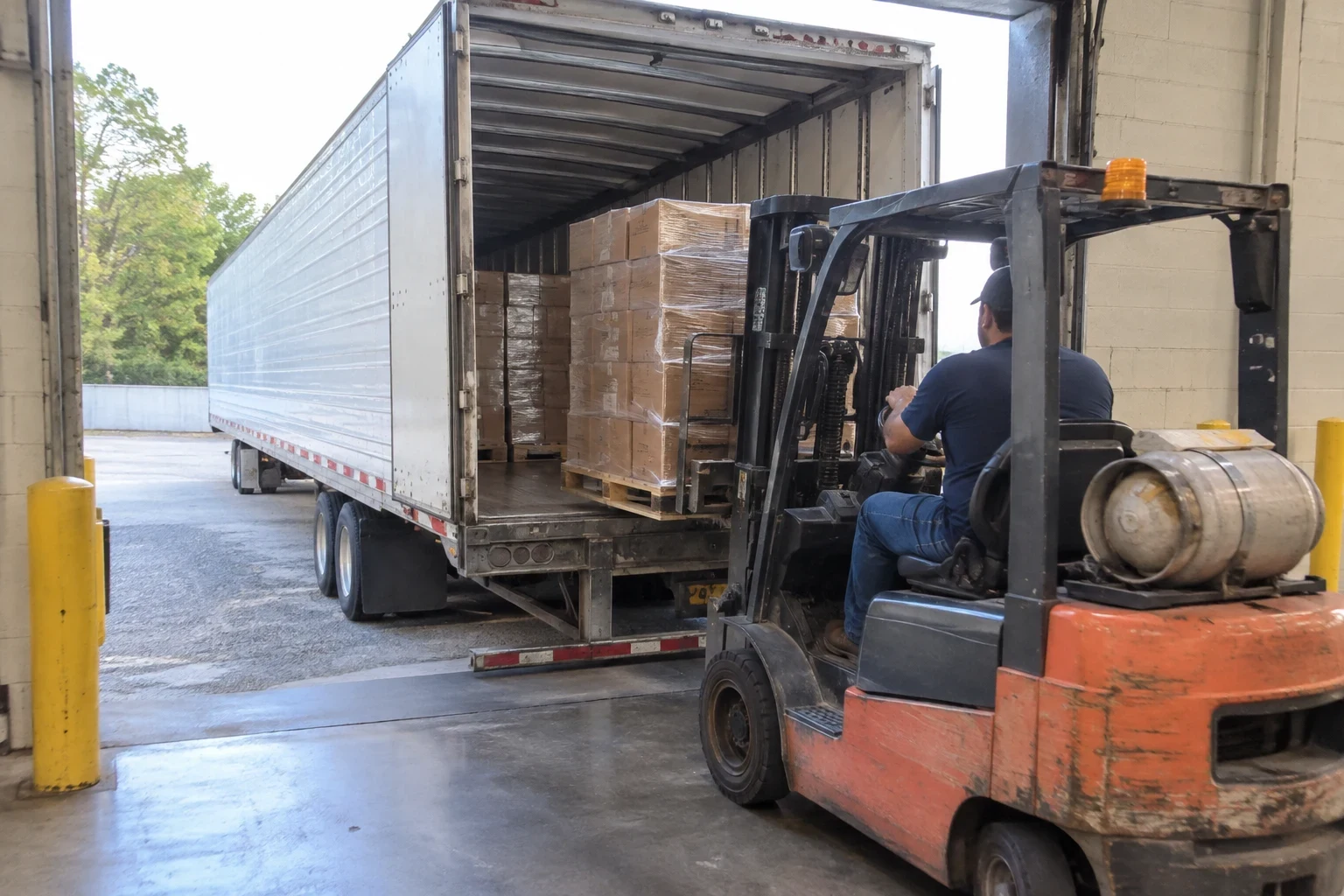
Cargo coverage built around your actual commodities, lanes and trailer type, so the certificate holds up when a broker checks it and the policy pays when a load is lost.
Non-Trucking Liability (Bobtail)
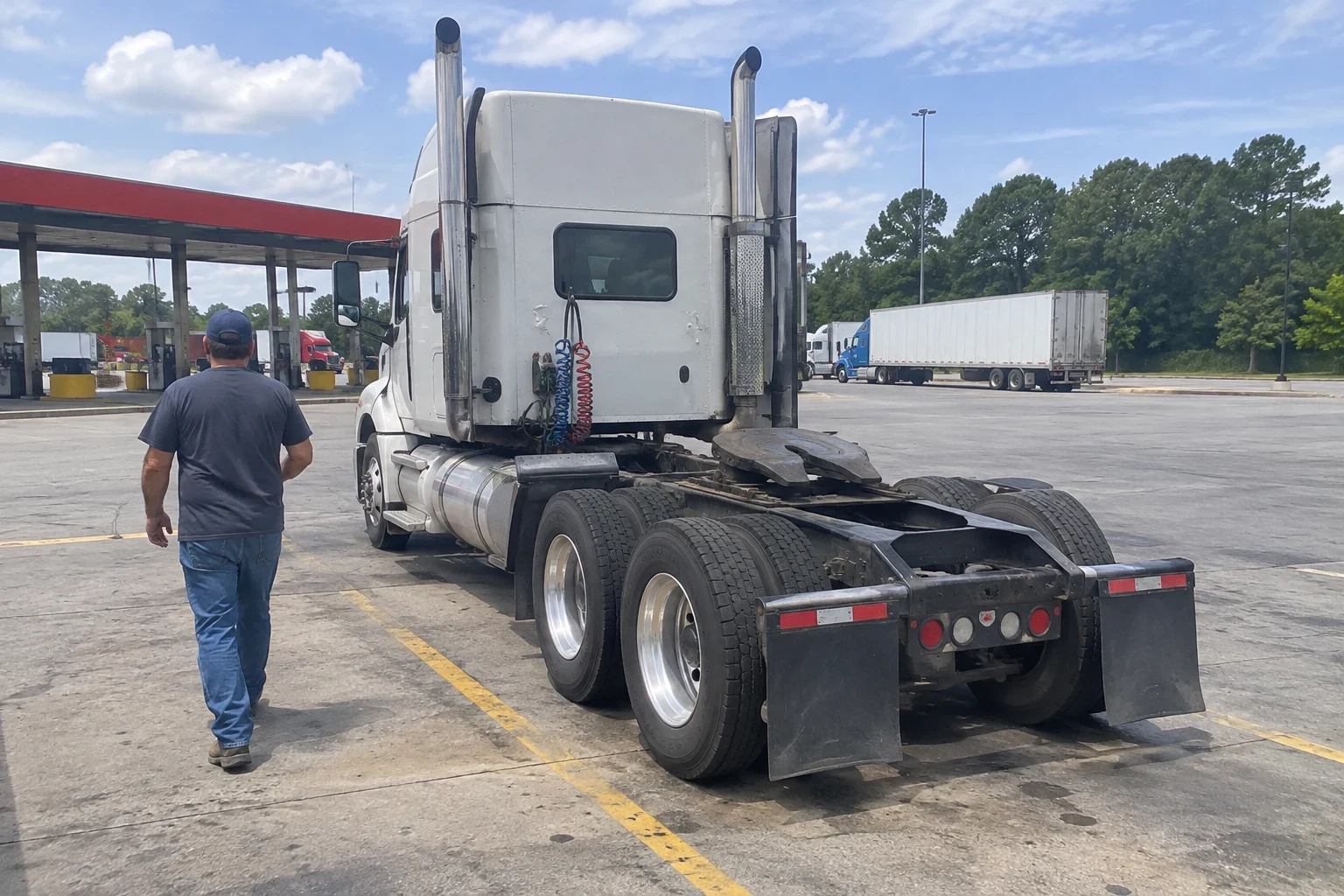
Liability coverage for leased owner-operators when the truck is off dispatch, set up to match what your motor carrier's lease agreement asks for.
Trailer Interchange
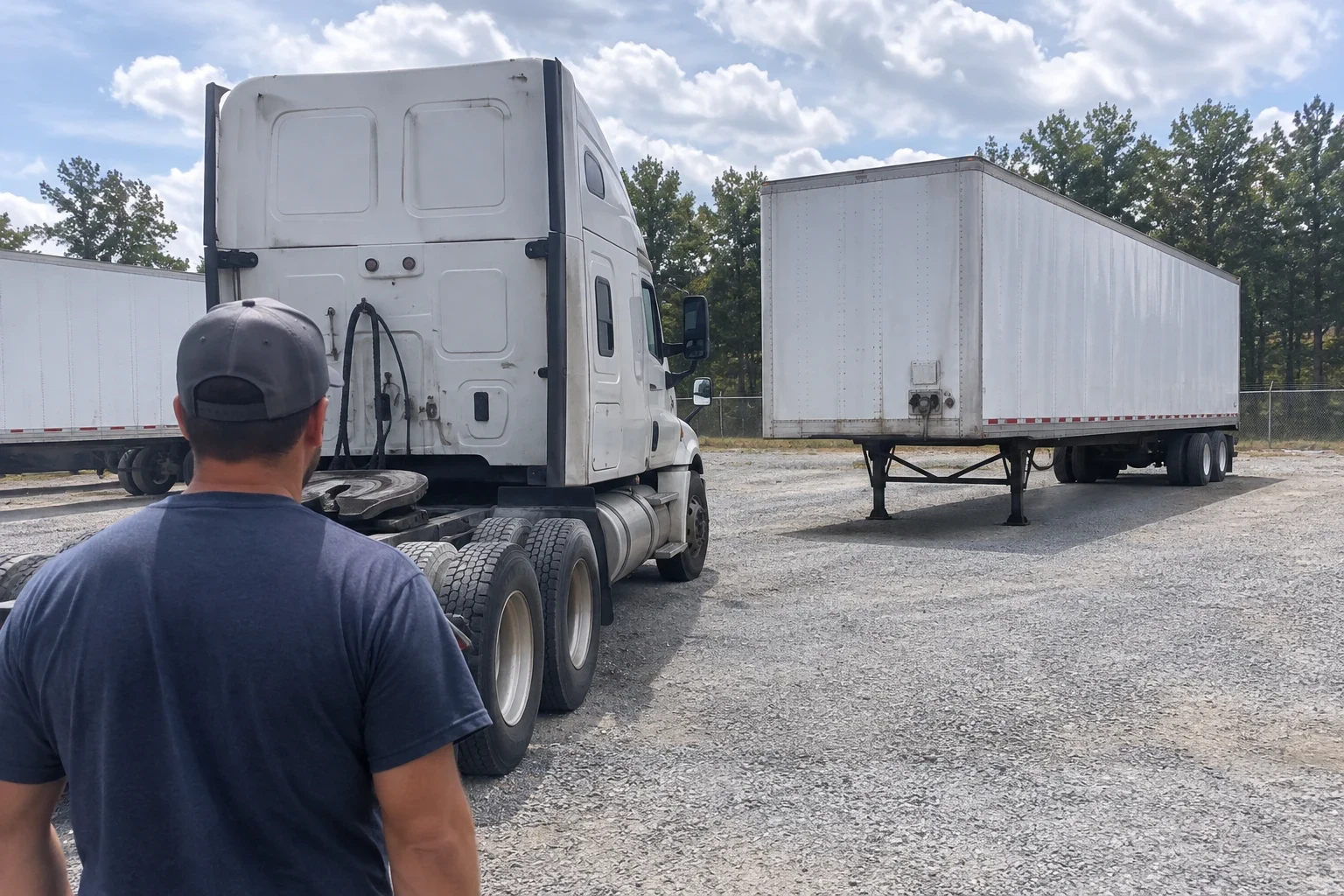
Physical damage coverage for trailers and chassis you pull under a written interchange agreement, with limits matched to what the agreement asks for.
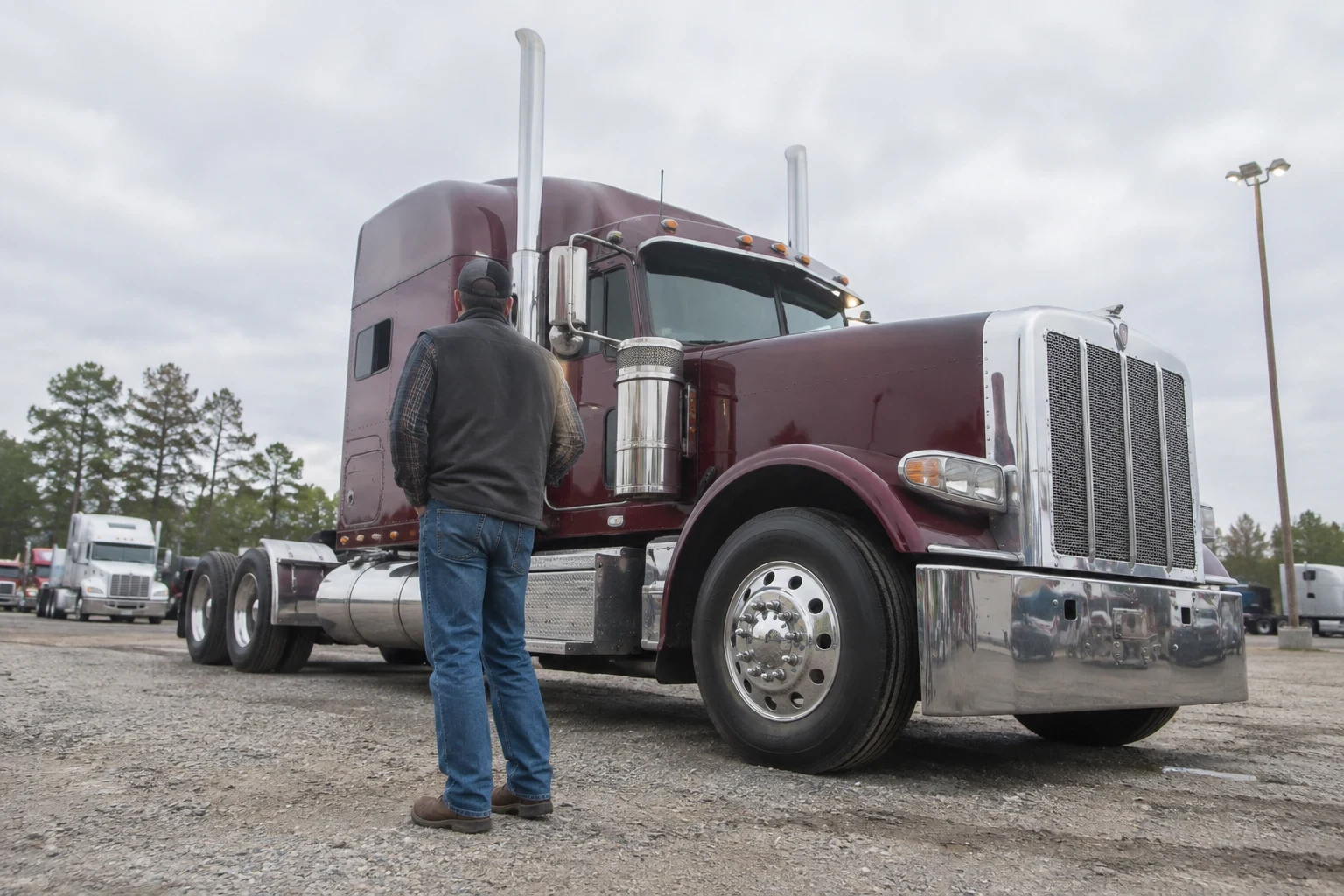
Owner-Operator Insurance
Coverage built around how you run: leased onto a carrier or under your own MC authority, with one person handling quotes, filings and certificates.
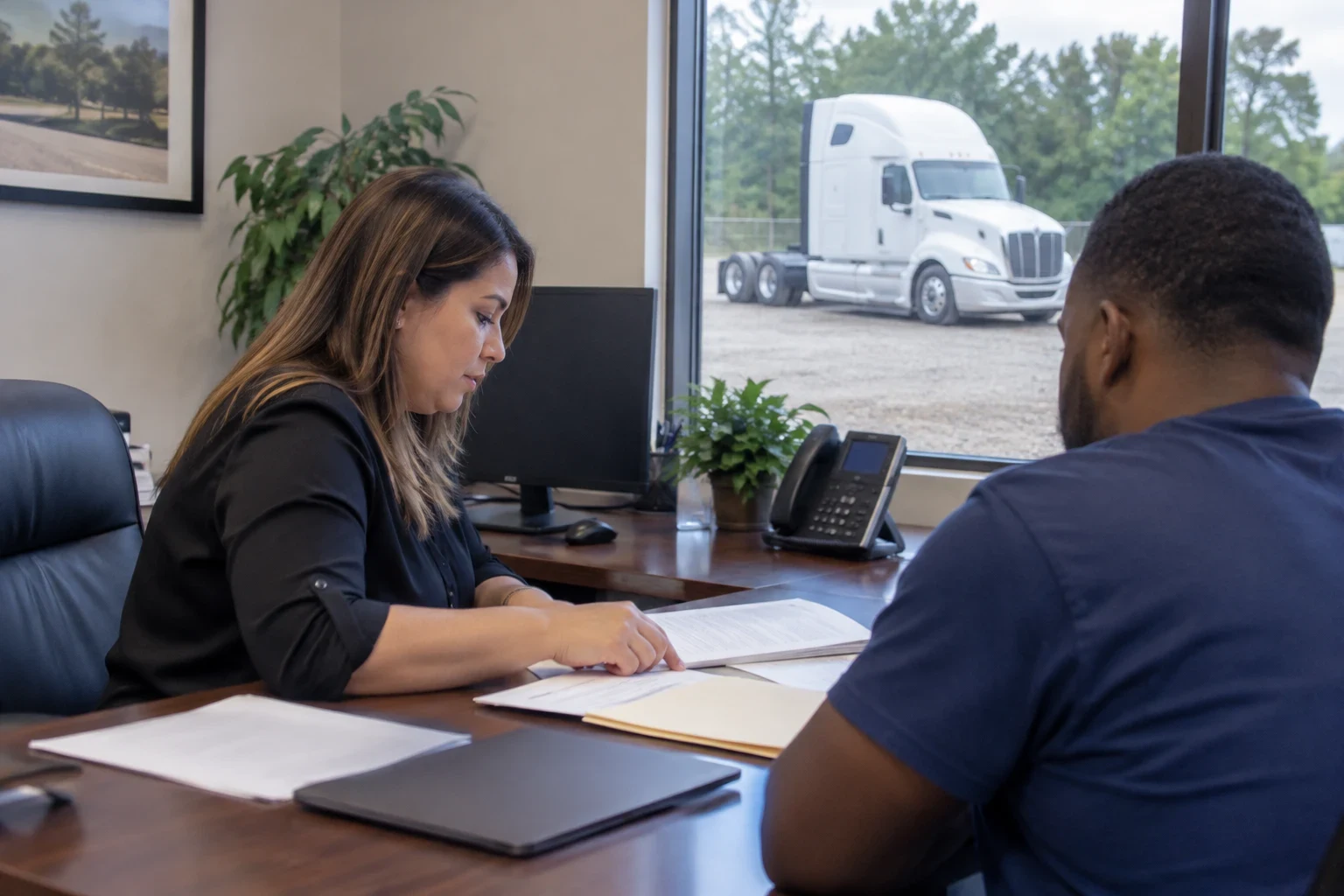
New Authority Truck Insurance
Coverage and FMCSA filings for carriers with a fresh MC number, handled by one person from the first quote to your first certificate of insurance.
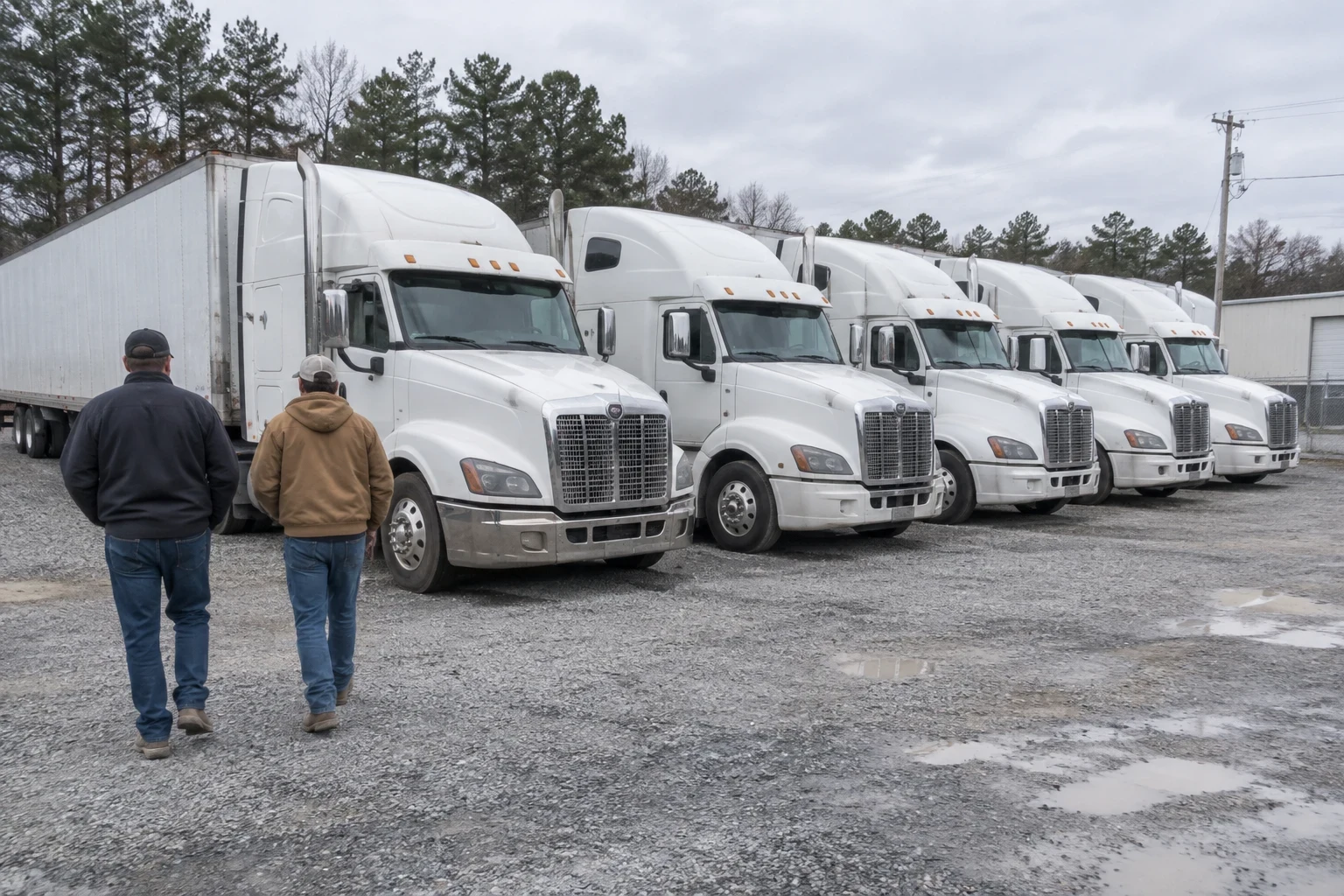
Fleet Truck Insurance
Coverage for small and mid-size fleets on one policy, with one agent who manages your vehicle schedule, driver list, filings and certificate requests.
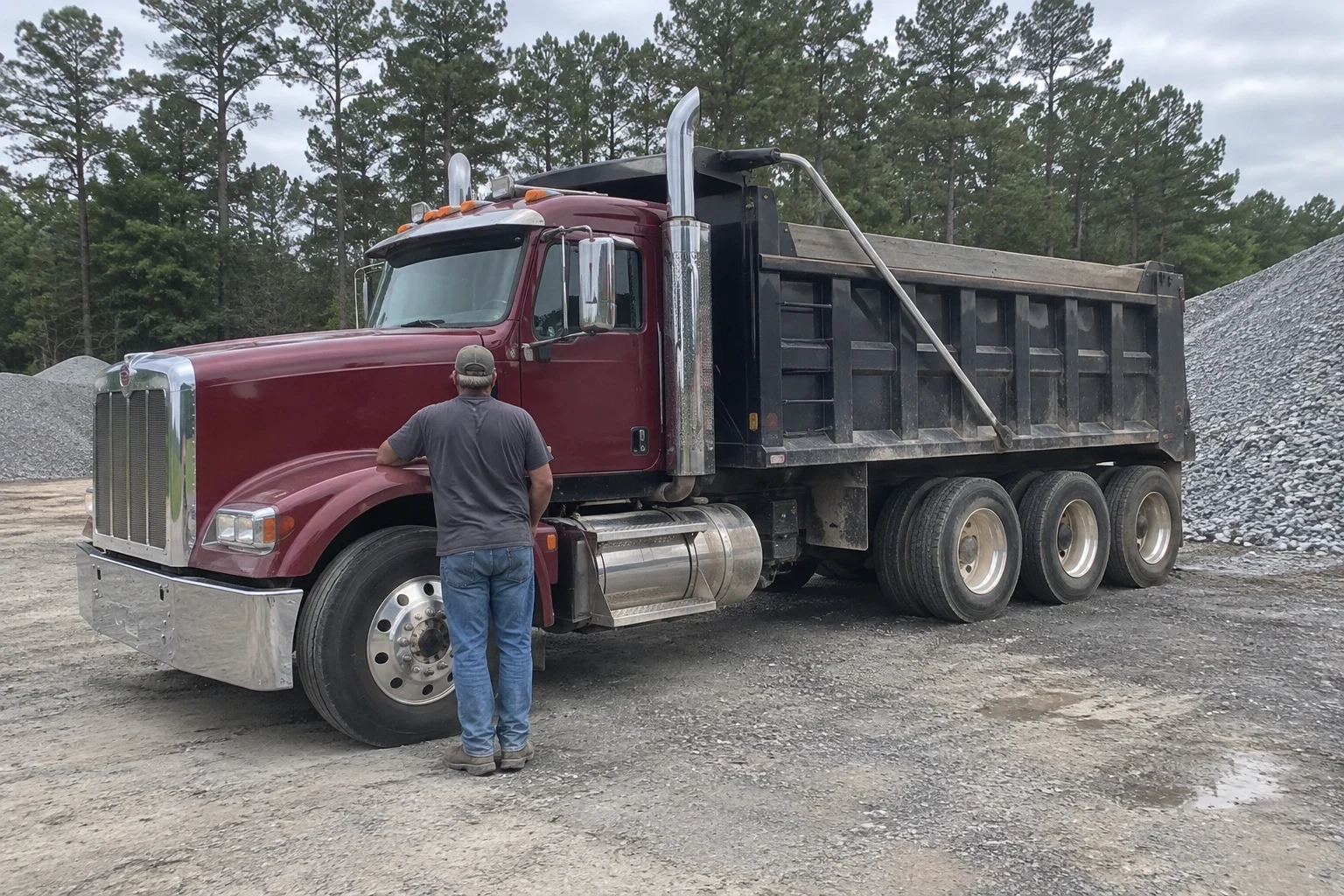
Dump Truck Insurance
Liability, physical damage and contractor certificates for tandem, tri-axle and end dump trucks, set up and managed by one person who knows your operation.
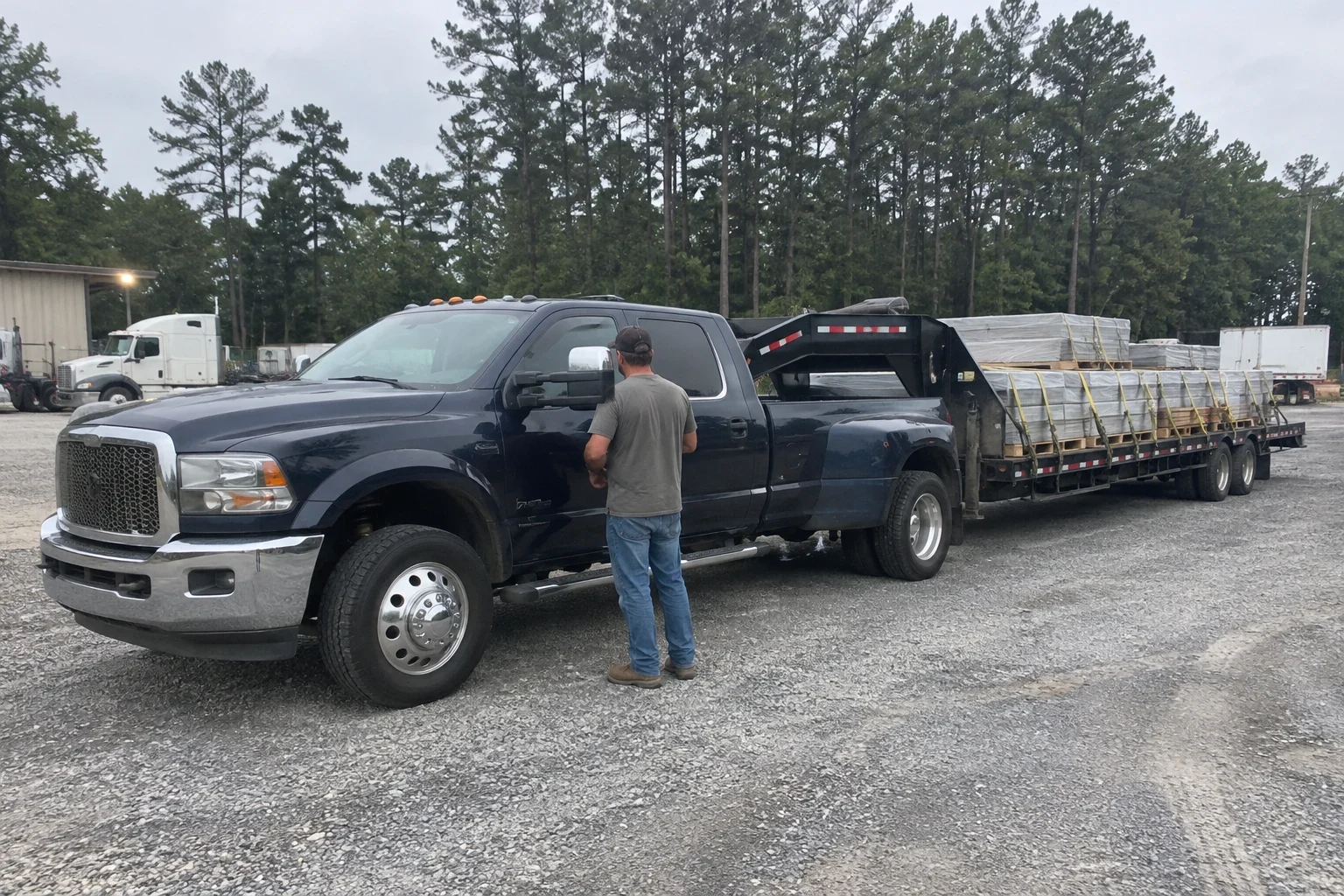
Hotshot Truck Insurance
Coverage for one-ton and medium-duty pickups pulling flatbed or gooseneck trailers, with your liability filing and cargo terms matched to what you haul.
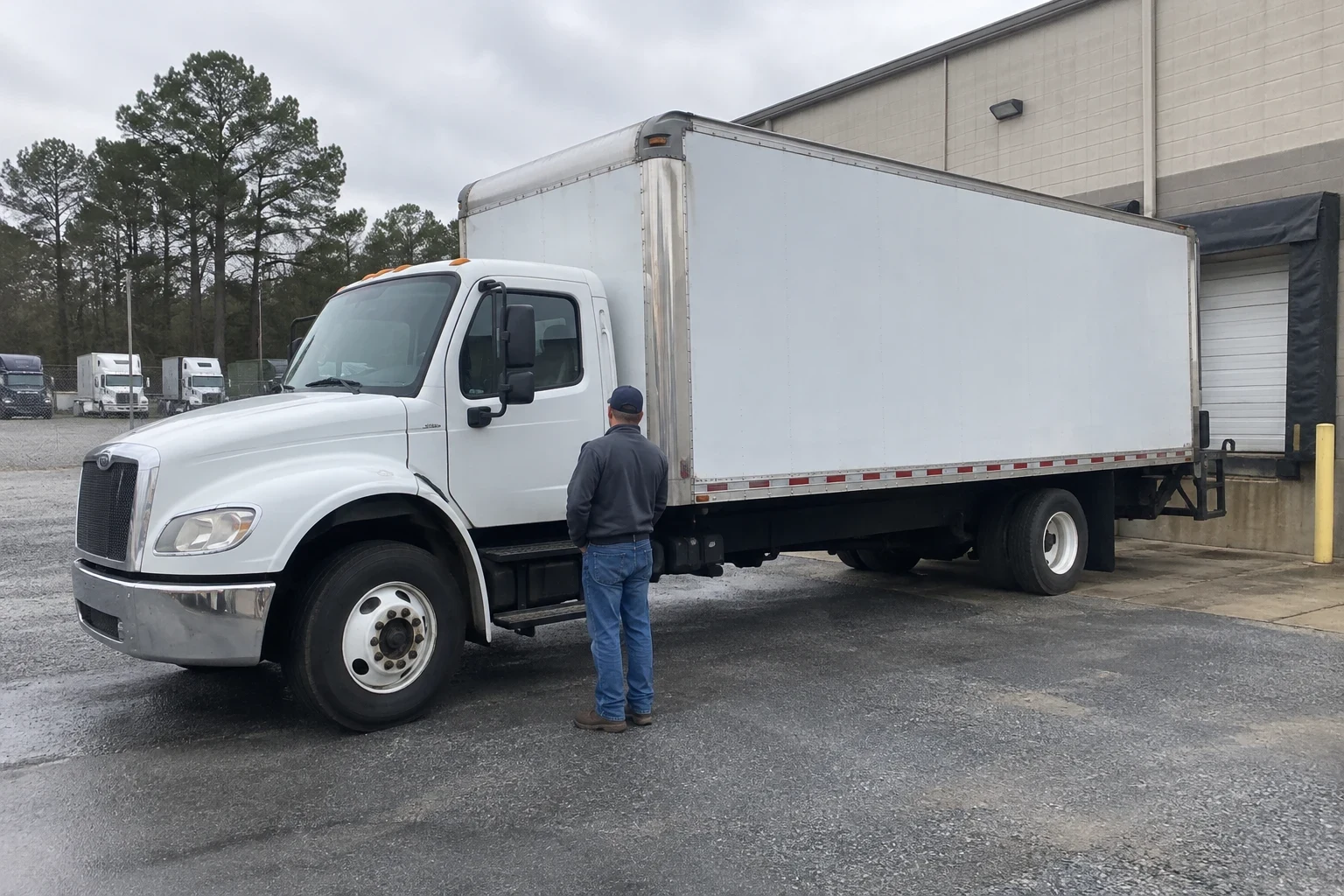
Box Truck Insurance
Liability, cargo and physical damage for 16- to 26-foot straight trucks, with filings and certificates handled by the same person who quotes you.
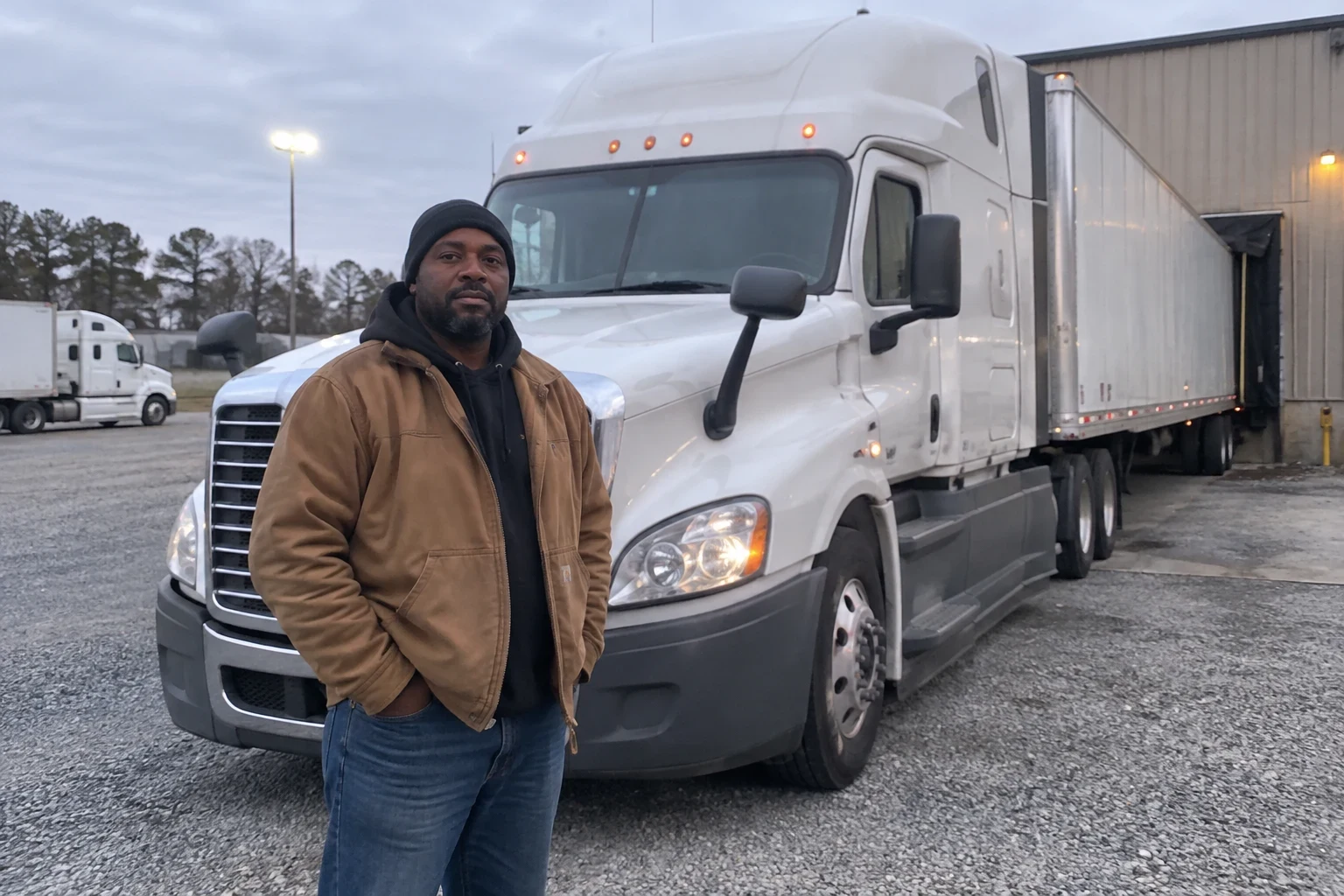
Why Carriers Keep Their File With Us
A trucking policy touches brokers, shippers, lessors and the FMCSA. When one person holds all of that, small problems get caught early.
- The same person on every call
- The person who quoted your policy is the one who answers when a broker needs a certificate or you want to add a driver. You do not repeat your DOT number, your radius and your commodity list to a new voice each time.
- Filings tracked, not just sent
- New authority needs a BMC-91X liability filing on record with the FMCSA before the MC number goes active, and some freight needs a cargo filing too. We send them and confirm they posted, because a filing that never shows up can hold up your authority.
- Exclusions explained up front
- Cargo forms often exclude unattended vehicles, certain commodities or reefer breakdown unless endorsed. We walk through those lines with you so the policy matches the freight you actually haul.
- Certificates that match the contract
- Shippers and brokers ask for specific endorsement wording, limits and holder names. We read the request and issue a certificate that meets it, instead of a generic one that gets bounced back.
- Honest answers on limits
- If a coverage does not fit your operation, we say so. A leased owner-operator under another carrier's authority usually needs bobtail, not a full primary liability policy, and we will tell you which applies.
Carriers We Work With Around North Fulton
We work with trucking operations based in Alpharetta and nearby towns including Roswell, Johns Creek, Milton, Dunwoody, Peachtree Corners, Duluth, Sandy Springs, Woodstock, Chamblee and Sugar Hill. Your trucks may run across Georgia or across the country, and the coverage follows them.
- Alpharetta
- Roswell
- Johns Creek
- Milton
- Dunwoody
- Peachtree Corners
- Duluth
- Sandy Springs
- Woodstock
- Chamblee
- Sugar Hill
Meet with us at our office or handle everything by phone and video. Many customers never need to come in at all.
What Moves a Trucking Premium
Underwriters price trucking risk from a handful of details about your drivers, your equipment and your freight. Knowing which ones carry weight helps you see why two similar trucks can get very different quotes. Here are the factors that matter most.
We build your quote from your real drivers, equipment and freight, then go over each coverage line and its cost with you by phone. No dollar figure is meaningful until those details are in.
- Time under authority
- A brand-new MC number has no loss history, so insurers price it more cautiously. Premiums often ease after the first and second renewal if the record stays clean.
- Driver records and experience
- Underwriters pull each driver's MVR and look at years of CDL experience, violations and accidents. One driver with recent speeding or a preventable crash can shift the rate for the whole policy.
- Radius and lanes
- Local and intermediate radius work prices differently from long-haul. Routes through dense metro corridors with heavy congestion carry more liability exposure than rural lanes.
- Commodity hauled
- General freight, building materials, aggregate, refrigerated loads and high-value electronics each carry different cargo and liability risk. The commodity list on your application has a direct effect on the cargo coverage rate.
- Equipment value and deductibles
- Physical damage is priced on the stated value of each tractor, truck and trailer. A higher deductible lowers premium, but only makes sense if you can cover that amount after a loss.
- Loss runs and safety scores
- Prior claims and your CSA scores in categories like Unsafe Driving and Vehicle Maintenance tell underwriters how your operation has run. Clean inspections help.
Questions Carriers Ask Us
Something not covered here? (770) 270-3686
What insurance do I need to activate new MC authority?
The FMCSA requires proof of primary auto liability, sent as a BMC-91X filing by your insurance company, before your authority goes active. Some freight types also require a cargo filing. Most brokers will also ask for motor truck cargo coverage, and if you finance your truck the lender will require physical damage. We sort out which apply to you on the first call.
Why is insurance so expensive for a new authority?
Underwriters have no loss history on a new MC number, so they lean on driver experience, MVRs and the type of freight. That uncertainty shows up in the premium. Several years of CDL experience, a clean record and a clear plan for your lanes all help, and rates often improve after a clean first year.
I'm leased on to a carrier. Do I still need my own policy?
Usually the motor carrier you are leased to provides primary liability while you are under dispatch. You will typically need non-trucking liability (bobtail) for when you are not under dispatch, and physical damage for your own truck. Read your lease agreement, then share it with us by phone or at our office and we will tell you exactly what it requires.
Does motor truck cargo cover every load?
No. Cargo forms list covered commodities and often exclude things like unattended vehicles, theft from unlocked trailers, or reefer breakdown unless you add an endorsement. If you haul something not listed, a claim can be denied. We match the form to your actual commodity list.
How do I get a certificate of insurance to a broker?
Call your contact with the broker's name and the exact wording they need, such as being named on the policy, waiver of subrogation or certificate holder details. We prepare the certificate to match the request and send it to the broker. Since the same person handles your file, there is no need to re-explain your policy.
What should I have ready when I call for a quote?
Your DOT and MC numbers if you have them, VINs and values for each unit, a list of drivers with their CDL details and dates of birth, the commodities you haul and your typical radius. If you have had trucking coverage before, loss runs from the past three to five years help a lot. Missing items are fine; we can start and fill gaps as we go.
Do you cover dump trucks, hotshot rigs and box trucks?
Yes. Each has its own risks. Dump trucks working construction sites often need specific liability limits written into contracts, hotshot operators pulling flatbeds with a pickup need coverage that fits that setup, and box trucks running local delivery are priced differently from over-the-road tractors. Each has its own page under our services.
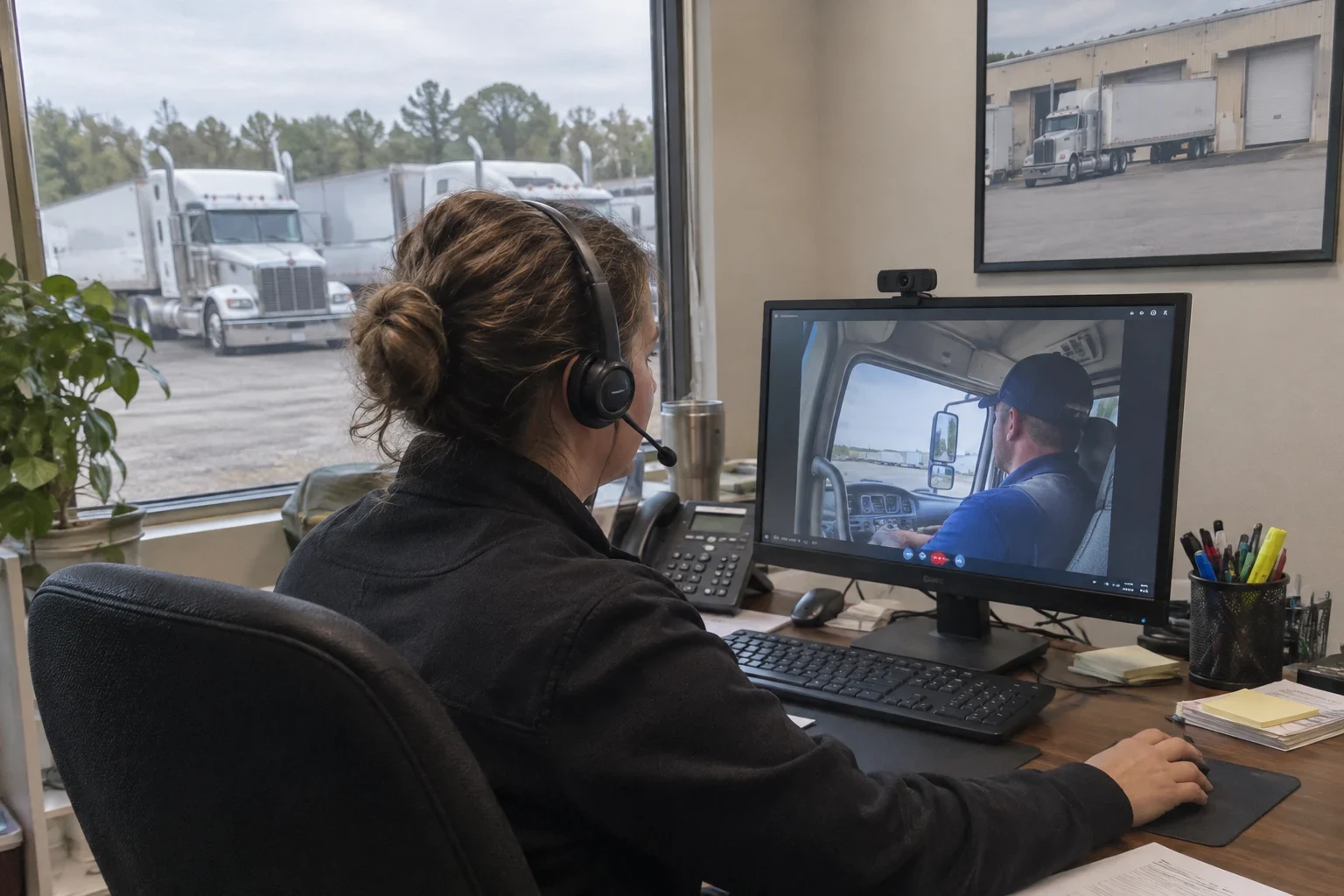
A Trucking Agency Built Around One Contact
Trucking Insurance Alpharetta works with motor carriers who would rather spend their day running loads than chasing paperwork. Our customers are owner-operators, first-year authorities, hotshot and box truck drivers, dump truck businesses and fleets with a handful to a few dozen units.
We keep each account with one person because trucking coverage changes constantly. A new broker wants a certificate, a driver leaves, a trailer gets swapped. When the person who wrote your policy also handles those changes, nothing falls between desks, and you get a straight answer about what your policy does and does not cover.
- License
- Licensed for property and casualty insurance
Put One Person in Charge of Your Coverage
Tell us about your trucks, drivers and freight, and we will build a quote that fits how your operation runs. The same person stays with your file after you bind.