ServicesHotshot Truck Insurance
Hotshot Truck Insurance in Alpharetta
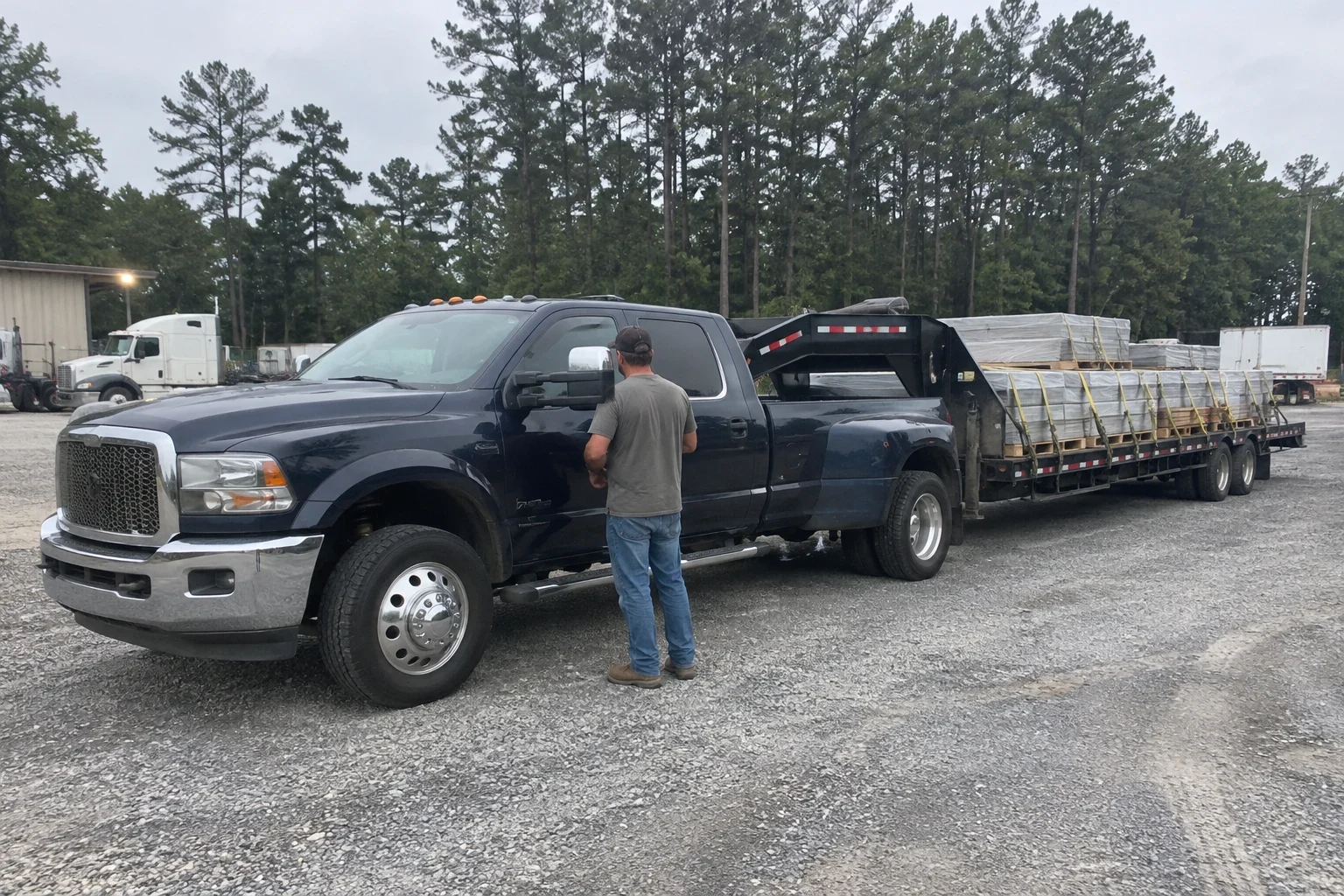
Hotshot work sits in an awkward spot: a pickup that insurers price like a semi once a 40-foot gooseneck is hooked up. We quote the truck and trailer together, match cargo coverage to your freight, and one person stays on your file from the first call to the certificate.
What hotshot coverage actually has to do
A Ram 3500, F-450 or Silverado 5500 pulling a flatbed or gooseneck usually crosses 10,001 pounds combined weight. At that point the setup is a commercial motor vehicle and needs a DOT number. If you haul for hire across state lines, it also needs MC authority and a liability filing with the FMCSA. A personal auto policy excludes this use, so a claim filed under one gets denied.
A hotshot policy is really several coverages working together. Primary auto liability pays for damage you cause on the road, motor truck cargo covers the load, and physical damage covers the truck and trailer. Non-trucking liability or trailer interchange may belong in the set too, depending on how you run. We build that set around your operation and explain what each piece pays for and what it excludes.
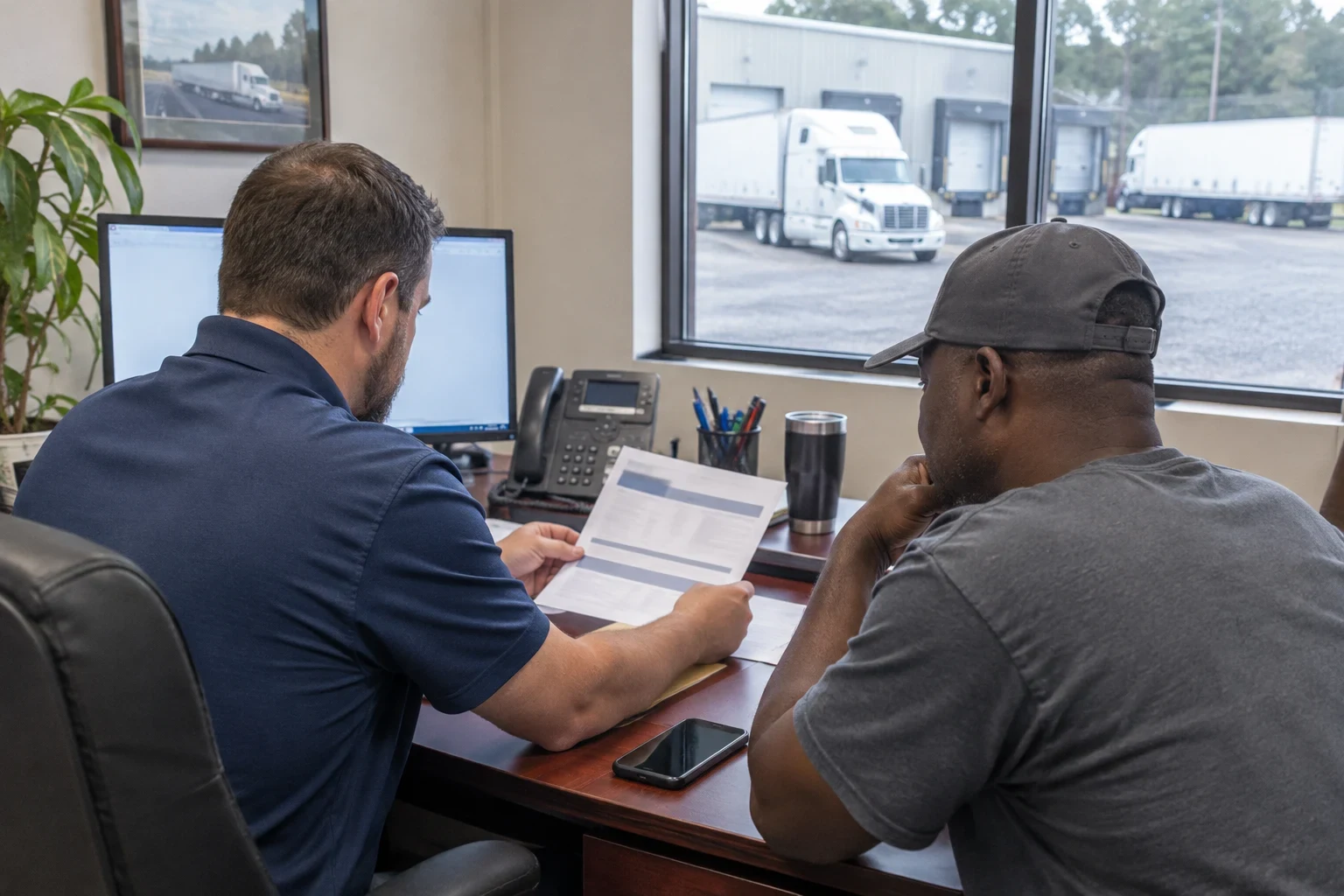
The same person picks up when a broker's certificate requirement lands on your desk, and again when you add a second trailer. That person knows your file, so you are not re-explaining your truck every time you call.
What goes into a hotshot policy
- Primary auto liability
- Pays for injury and property damage you cause to others. For-hire interstate carriers need a federal minimum limit filed with the FMCSA, and many brokers ask for more than the minimum. We set the limit to the loads you want to book.
- Cargo coverage matched to commodity
- Cargo forms often exclude specific freight such as steel coils, heavy machinery or vehicles, and some exclude losses from improper securement. We read the commodity list against what you actually haul so a claim is not denied on the exclusions page.
- Physical damage on truck and trailer
- Collision and comprehensive are written on a stated value for the pickup and a separate value for the trailer. Listing the trailer correctly matters, since a gooseneck with a dovetail and ramps is worth more than many owners report.
- Filings and certificates
- We handle the BMC-91X liability filing and any state filings, then issue certificates of insurance to brokers and shippers when you need them. You get one place to call when a broker's setup packet asks for proof.
- Bobtail or interchange when it fits
- If you lease onto a carrier, non-trucking liability covers you off dispatch. If you pull trailers you do not own under an agreement, trailer interchange covers that equipment. We only add what your setup calls for.
Signs your current policy does not fit hotshot work
The truck is on a personal policy
Personal auto forms exclude hauling for hire. One accident with a loaded trailer can leave you paying the full loss yourself.
A broker rejected your certificate
Brokers check cargo limits, liability limits and sometimes specific endorsements before they release a load. A rejection usually means a limit or wording gap worth fixing before the next one.
You changed what you haul
Moving from hay and lumber to equipment or vehicles can fall outside your cargo form's covered commodities. The policy has to change when the freight does.
Your radius grew
Running past I-285 regional loads into multi-state routes changes how carriers rate you. Your declared radius should match how far your trucks really go.
The trailer is listed wrong or not at all
A newer gooseneck missing from the schedule has no physical damage coverage. We check the VINs and values on every unit.
What moves a hotshot premium
Hotshot premiums are built from your trucks, your drivers and your freight, so two operators with the same pickup can see very different numbers. We show you which items are driving your quote and which ones you can change. Here is what carriers weigh most.
Authority age and experience
New MC authority with no loss history is rated more cautiously than an operation with several clean years. Prior CDL or commercial driving experience helps even if the authority is new.
Driver records
Violations, accidents and CSA inspection results on each driver's record affect liability rates directly. Adding a driver with a rough MVR can raise the premium for the whole policy.
Commodity and cargo limit
Higher-value or harder-to-secure freight raises the cargo rate. A higher cargo limit to satisfy a broker raises it further.
Radius and garaging location
Longer routes and denser traffic mean more exposure. Where the truck is parked overnight also feeds the rating.
Equipment values and deductibles
Physical damage cost follows the stated values on the truck and trailer. A higher deductible lowers that portion of the premium, if you can carry the out-of-pocket risk.
How a hotshot quote runs with us
- 1
The first call
We ask about your truck, trailer, DOT number and MC authority status, the commodities you haul and how far you run. Ten minutes of specifics here saves back-and-forth later.
- 2
Driver and equipment details
We collect VINs, trailer length and type, stated values, and each driver's license information so carriers can pull motor vehicle records. If you have prior loss runs, they help.
- 3
Shopping and reviewing quotes
We take your file to carriers that write hotshot risks and lay out each quote coverage by coverage, including deductibles and cargo exclusions. You see where the price differences come from before you pick one.
- 4
Binding, filings and certificates
Once you choose, we bind the policy, get the BMC-91X and any state filings on record with the right agencies, and send certificates to the brokers you work with. The same person handles later changes, new trailers and renewals.
Hotshot insurance questions
Do I need my own MC authority to run hotshot?
Not always. If you lease onto a carrier, you run under their authority and their liability, and you typically need non-trucking liability and physical damage on your own unit. If you haul for hire across state lines under your own name, you need your own MC authority and a liability filing.
Does a hotshot policy cover the trailer?
Only if the trailer is listed. Liability generally extends to a trailer attached to a covered truck, but physical damage on the trailer needs its own entry with a VIN and stated value. We confirm both are scheduled.
Do I need a CDL for hotshot?
It depends on weight. If the combined weight rating is 26,001 pounds or more and the trailer is rated over 10,000 pounds, a CDL is required. Many carriers also prefer CDL holders even below that line, which can affect your quote.
Why is hotshot insurance priced close to semi insurance?
Carriers rate on exposure, not truck size alone. A loaded gooseneck at highway speed can cause serious damage, and hotshot operators often have newer authority, both of which push liability rates up. Clean driving records and accurate radius information help bring it down.
Can you work with me if I run out of Roswell or Woodstock?
Yes. We work with operators across Alpharetta and the surrounding area by phone, video or at our office. The process is the same wherever your truck is based.
Get your hotshot setup quoted correctly
Have your DOT number, truck and trailer VINs, and a rough list of what you haul when you call. One person will take it from there and stay on your file after it binds.