ServicesCommercial Trucking Insurance
Commercial Trucking Insurance in Alpharetta
We put together the full insurance program a motor carrier runs on: primary liability, cargo coverage, physical damage and the filings that keep your MC authority active. One person quotes it, files it and answers your questions after it binds.
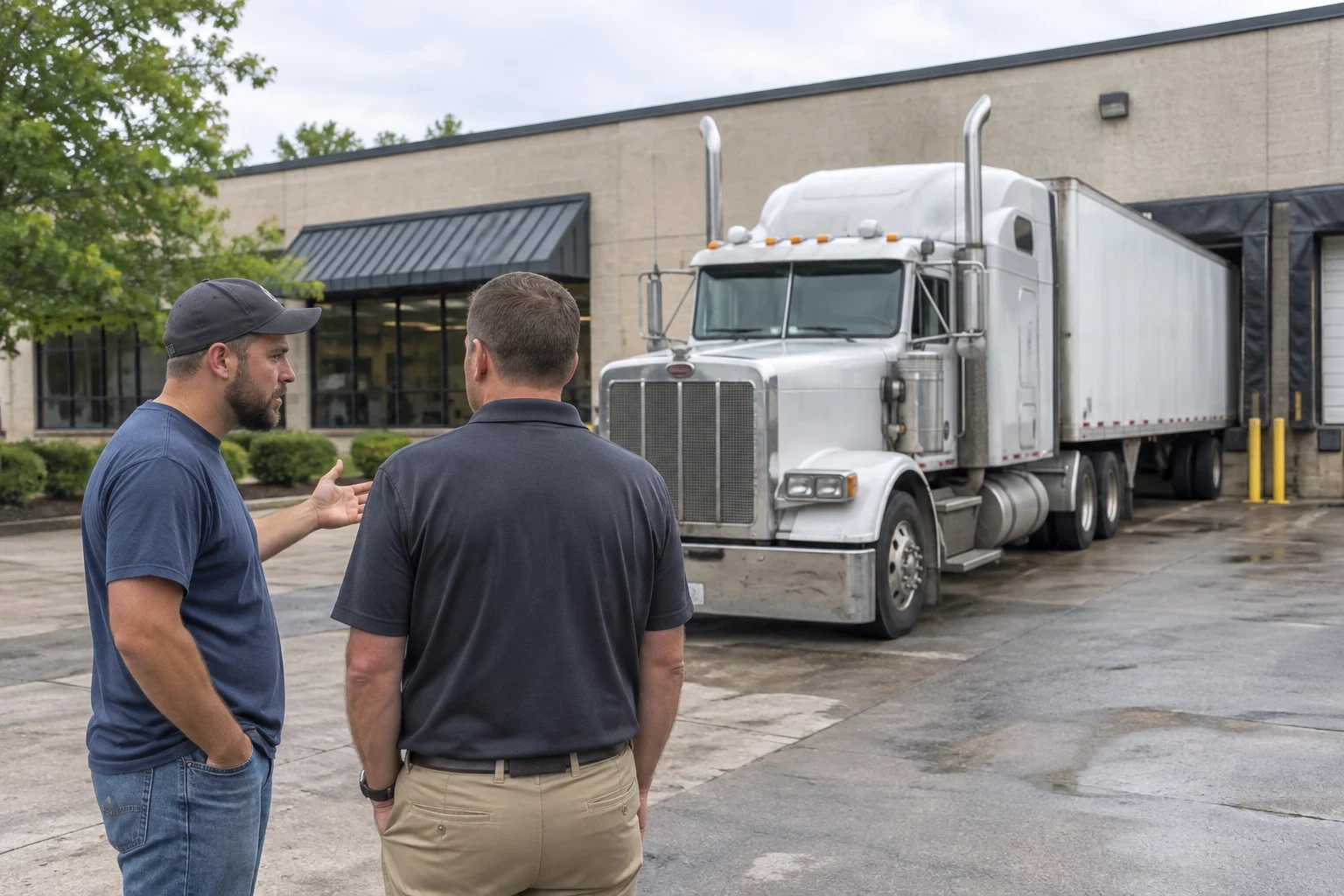
What commercial trucking insurance actually covers
Commercial trucking insurance is not one policy. It is a set of coverages that answer different questions. Primary auto liability pays for injuries and property damage you cause to others, and it is the coverage FMCSA requires before your authority goes active. Motor truck cargo covers the freight on your deck or in your box. Physical damage covers the tractor, truck or trailer itself. Depending on how you run, you may also need non-trucking liability, trailer interchange or general liability.
The pieces have to fit together. A cargo form that excludes unattended vehicles, or a liability policy missing a scheduled unit, can leave a gap that nobody notices until a claim. We read each form against how your operation runs: what you haul, how far, with which equipment and which drivers.
You deal with one contact the whole way. The same person who gathers your information shops the markets, explains the quote, sends the BMC-91X filing and issues certificates when a broker or shipper asks for one.
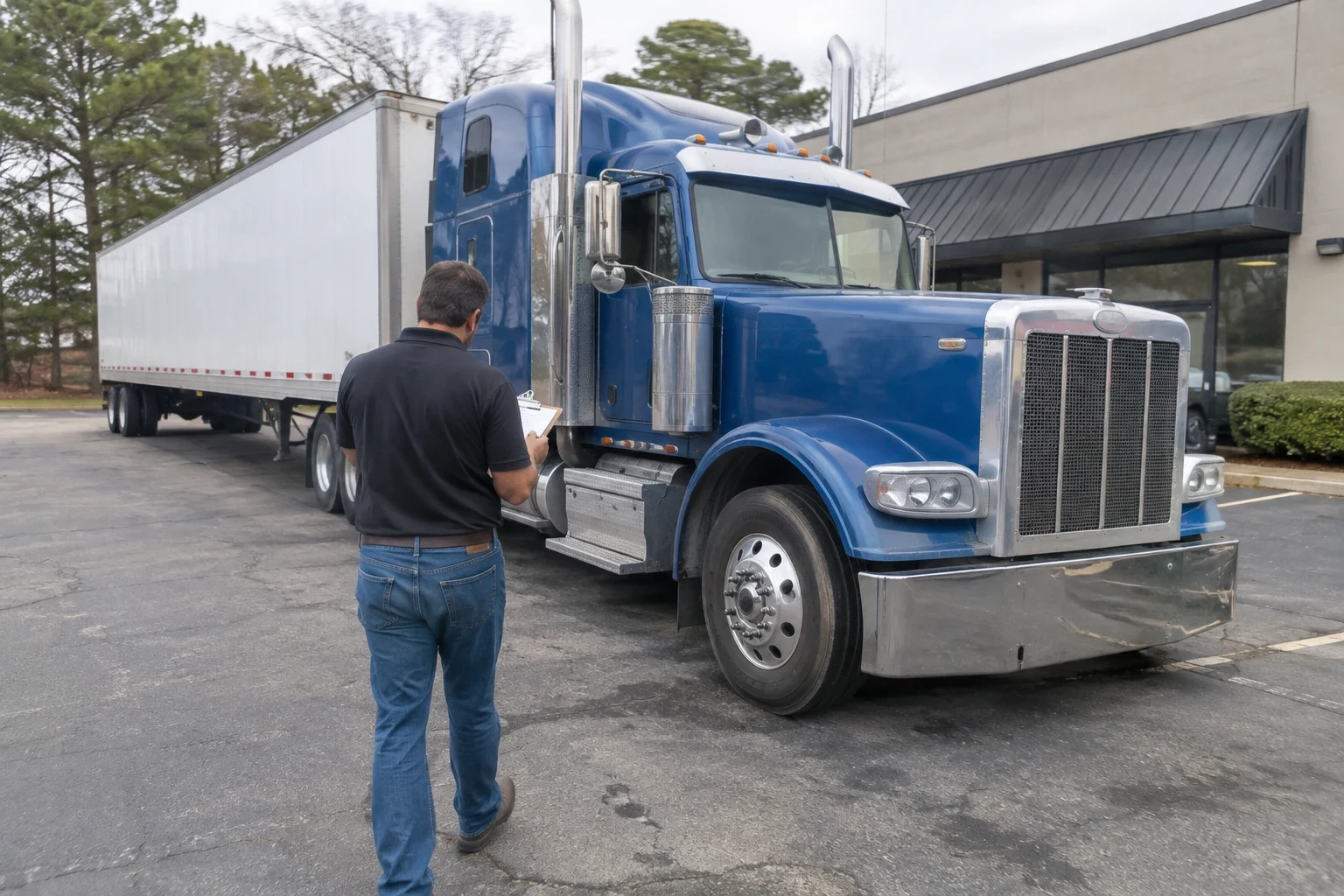
What we handle on a commercial trucking policy
- 01
Primary auto liability
Limits set to meet federal minimums and the higher amounts many brokers and shippers require. We confirm the MCS-90 endorsement is attached where it applies.
- 02
Cargo coverage matched to your freight
We check commodity exclusions, reefer breakdown wording and theft conditions against what you actually haul. A limit that looks right on paper can still exclude your load.
- 03
Physical damage on your trucks and trailers
Stated values, deductibles and lienholder details for each unit. Financed equipment usually requires it, and the lender will want to be named correctly.
- 04
Federal and state filings
We coordinate the BMC-91X with your insurer so FMCSA receives proof of coverage, and track any state filings your lanes require.
- 05
Certificates of insurance
Brokers, shippers and job sites ask for a certificate of insurance before they release a load. You call one person and get it, with additional insureds listed correctly.
- 06
Mid-term changes
Adding a truck, removing a driver or changing a radius goes through the same contact, so endorsements and filings stay in step.
Questions about Commercial Trucking Insurance?
Call(770) 270-3686Signs it is time to review your trucking coverage
Your authority is pending insurance
FMCSA will not activate a new MC authority until a liability filing is on record. If the clock is running, the filing is the first thing we work on.
Renewal came back much higher
A jump in premium can come from a loss, a new driver's MVR, a change in your CSA scores or the carrier leaving the market. Knowing which one tells you what can be fixed.
A broker wants higher limits
Some loads require more cargo coverage or a larger liability limit than you carry. We look at what the increase costs before you commit.
You are adding units or drivers
Every truck and every driver has to be scheduled or approved. An unlisted unit is one of the most common causes of a denied claim.
You are leaving a lease for your own authority
Coverage that came through a carrier you were leased to stops when you leave. You need your own liability, cargo and filings in place first.
How a quote comes together
- 1
A phone or video conversation
We talk through your operation: DOT number, commodities, radius, equipment and drivers. You can also come to our office if you prefer to sit down in person.
- 2
Gathering the file
We collect a VIN list, driver list with license details, and loss runs from prior insurers if you have them. Underwriters price on documents, so a complete file gets better answers.
- 3
Shopping and comparing
We send your submission to carriers that write your class of trucking and compare forms, not just premiums. You get an explanation of what each option covers and what it excludes.
- 4
Binding, filing and certificates
Once you choose, we bind coverage, confirm the BMC-91X reaches FMCSA and issue the certificates your brokers need. After that, the same contact handles changes and renewal.
What moves the premium
Trucking premiums are built from underwriting data, and most of it is about how likely and how large a claim could be. We explain which factors are driving your number so you know what you can change and what you cannot.
- Commodity and radius
- Hazmat, high-value freight and long-haul interstate runs price higher than local aggregate or short-radius delivery work. Operating radius is one of the first questions an underwriter asks.
- Driver records and experience
- MVR violations, accidents and years holding a CDL weigh heavily. One driver with a recent major violation can change the whole policy.
- Time under authority and loss history
- New authorities pay more because there is no track record. Clean loss runs and good inspection results improve the picture over time.
- Equipment and garaging
- Truck value, age and type set physical damage cost, and where units are parked overnight affects theft and liability rating. Higher deductibles lower premium but raise what you pay at claim time.
- Limits and endorsements
- Higher liability or cargo limits, trailer interchange and added insureds each add cost. We size them to what your contracts actually require.
Commercial trucking insurance questions
How long does it take to get my filing done for a new authority?
It depends on how quickly we can gather your documents and how fast the carrier underwrites. Once coverage binds, the insurer submits the BMC-91X electronically. We watch the FMCSA record and tell you when the filing shows.
What do I need to have ready before we talk?
Your DOT and MC numbers, a list of trucks and trailers with VINs, your drivers' names, dates of birth and CDL details, and loss runs from any prior insurer. If you do not have everything, start the conversation anyway and we will tell you what is missing.
Do I need cargo coverage if I haul my own materials?
Private carriers hauling their own goods are not hauling for hire, so broker-driven cargo requirements may not apply. Your own property in transit can still need protection, sometimes under a different form. We look at how you operate before recommending either.
Can I keep a driver with a ticket on the policy?
Often, yes. It depends on the violation, how recent it is and the carrier's guidelines. We find out before binding so a driver is not excluded after the fact.
Who do I call if I have a claim?
You call us. We help you report it to the insurer, explain what the policy says about the loss and stay your contact while the adjuster works the claim. The carrier's adjuster makes the coverage decision, and we make sure you understand each step.
Get your trucking coverage reviewed
Tell us how your operation runs and we will walk through liability, cargo, physical damage and filings with you. One person stays on your file after the policy is in place.