ServicesOwner-Operator Insurance
Owner-Operator Truck Insurance in Alpharetta
Your coverage depends on one question: are you leased onto a motor carrier or running under your own MC authority? We sort that out first, then build the policy around your truck, your trailer and your freight. One person stays on your file from quote to renewal.
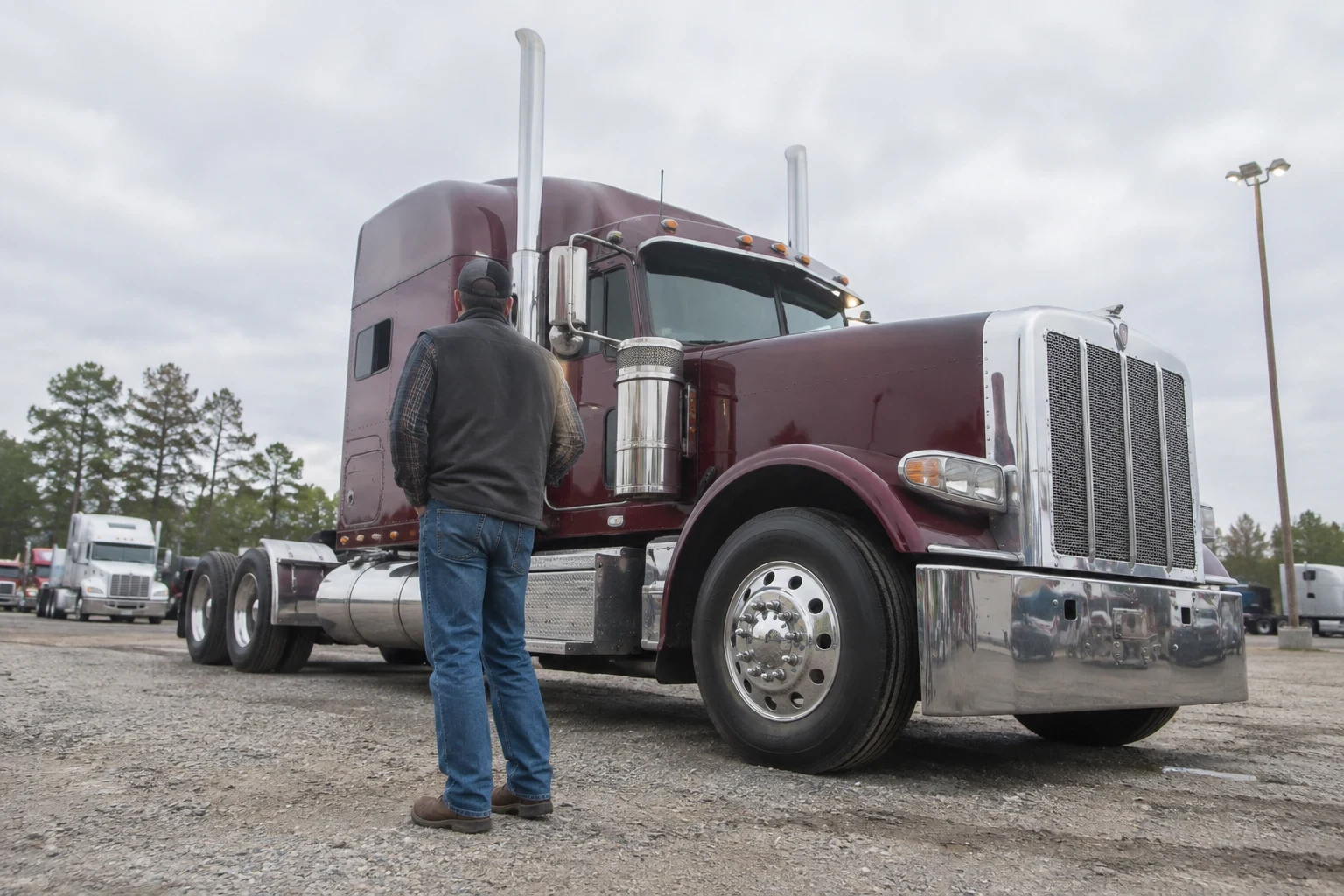
Two kinds of owner-operator, two different policies
If you are leased onto a carrier, their policy usually carries primary liability while you are under dispatch. Your lease agreement then spells out what you must buy yourself: typically non-trucking liability for off-dispatch driving and physical damage for your own tractor. Read the lease closely, because some carriers also push cargo or trailer coverage back onto you.
If you hold your own DOT number and MC authority, you carry everything. That means primary auto liability with the BMC-91X filing and MCS-90 endorsement, cargo coverage that meets your brokers' limits, and physical damage on the equipment. Miss one filing and your authority can be flagged.
We keep one contact on every owner-operator file. The person who quotes you is the person who files your paperwork, sends certificates to brokers and answers when your lease or lanes change.
What an owner-operator policy can include
- Primary auto liability
- Required when you run under your own authority. We place the policy and handle the federal BMC-91X filing so your authority stays active.
- Non-trucking liability (bobtail)
- For leased-on drivers, this covers liability when you are off dispatch, such as driving home after a load. It does not apply while you are hauling for the carrier, which is why the lease wording matters.
- Physical damage
- Covers your tractor and, if listed, your trailer for collision, fire, theft and similar losses. Lenders usually require it and name themselves as loss payee.
- Motor truck cargo
- Pays for freight you are hauling when it is damaged or lost. We check exclusions that trip owner-operators up, like unattended vehicle or reefer breakdown, against what you actually haul.
- Trailer interchange
- Needed when you pull trailers you do not own under an interchange agreement. Without it, damage to someone else's trailer can land on you.
Signs your owner-operator coverage needs a look
You are leaving a lease for your own authority
The carrier's liability stops the day you go independent. You need primary liability and filings in place before you haul your first load under your own MC number.
A broker rejected your certificate
Brokers often set minimum cargo limits or require specific wording. If a certificate of insurance gets sent back, the policy may not match the freight you want to haul.
Your lease agreement changed
A new carrier may require bobtail limits, physical damage deductibles or certificate holder wording that your old policy does not have.
You financed or refinanced the truck
The lender will want physical damage with specific deductibles and their name on the policy. A missing loss payee can create a problem with the loan.
You added a trailer or new freight type
Switching to reefer, flatbed or hazmat changes cargo exposures and often the carriers willing to write you.
What moves an owner-operator premium
Underwriters price the risk of your specific operation, not trucks in general. Some factors you control, some you do not. We explain which ones apply to you and where small changes, like a different deductible, actually shift the number.
Experience and driving record
Years holding a CDL, recent violations and prior claims carry the most weight. Under two years of experience narrows the list of carriers willing to quote.
Leased versus own authority
A leased-on driver buying bobtail and physical damage pays far less than an independent carrier buying primary liability and cargo. New authorities also price higher until they build a record.
Radius and lanes
Long-haul runs through dense metros cost more than local work. Garaging location matters too, and metro Atlanta traffic is rated differently than rural Georgia.
Equipment value and deductibles
A newer tractor costs more to cover for physical damage. Raising the deductible lowers premium but raises what you pay after a loss.
What you haul
High-value, refrigerated or hazardous freight raises cargo rates and may require higher limits from brokers.
How we put your policy together
- 1
A phone or video call
We start with how you operate: leased or own authority, radius, commodities, equipment and who you haul for. Have your DOT number, CDL details and VINs handy.
- 2
Gathering your records
We pull your driving record and request loss runs from your prior insurer. Leased drivers should have the lease agreement on hand during the call so we can match its insurance section line by line.
- 3
Shopping and explaining the quote
We compare available markets and walk you through each coverage, limit, deductible and exclusion. You see what the premium buys before you commit.
- 4
Binding, filings and certificates
Once you choose, we bind coverage, file any required federal or state paperwork with the agencies, and issue certificates to your carrier, brokers or lender.
- 5
Changes through the year
New truck, new lease or new broker, you call the same person. That contact also coordinates your renewal so nothing lapses.
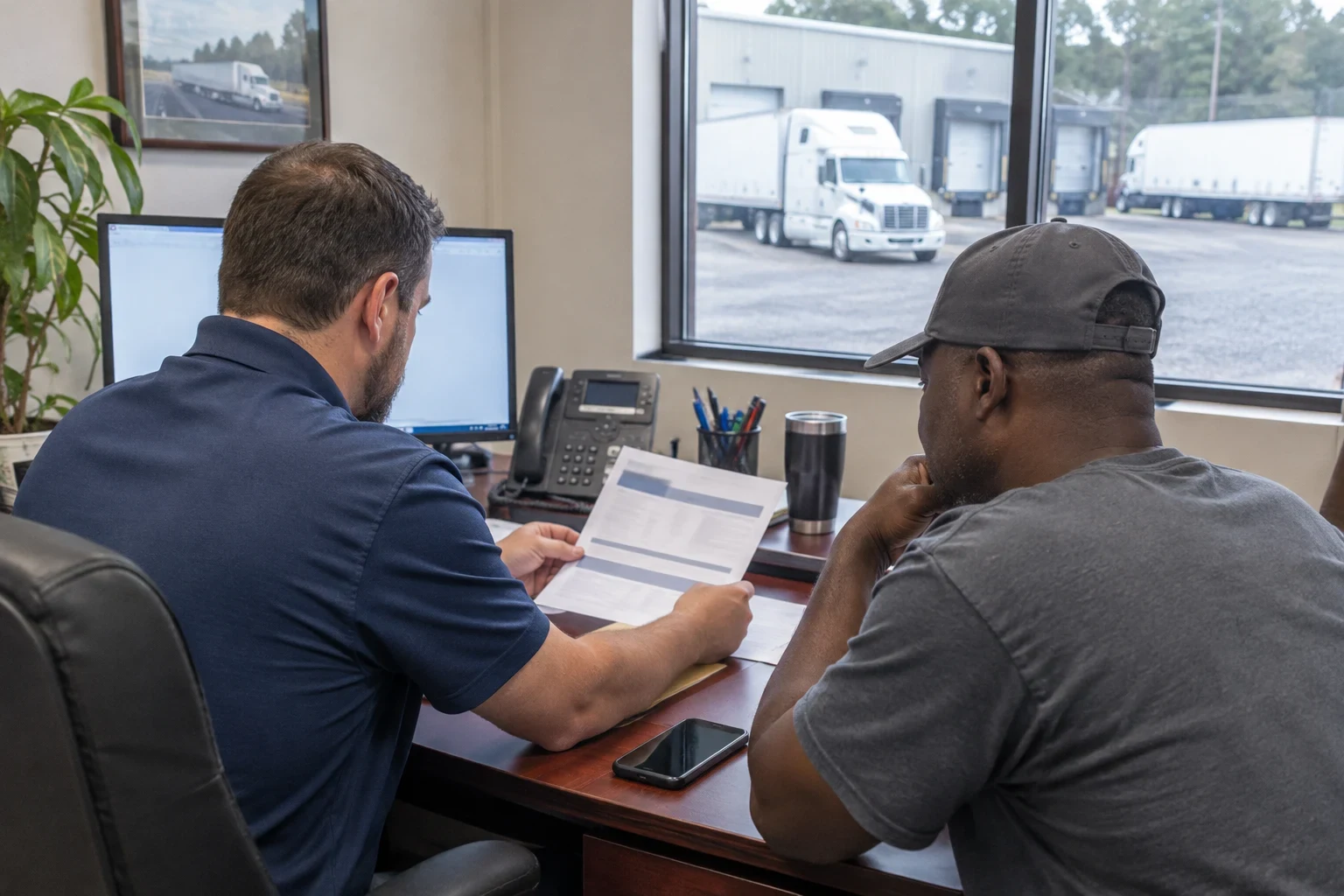
Owner-operator insurance questions
I'm leased onto a carrier. Do I still need my own insurance?
Almost always. The carrier's liability covers you under dispatch, but your lease typically requires non-trucking liability and physical damage on your own tractor. Send us the lease and we will tell you exactly what it asks for.
Is bobtail the same as non-trucking liability?
They are often used interchangeably, but they are not identical. Bobtail traditionally covers driving without a trailer, while non-trucking liability covers driving for personal use whether or not a trailer is attached. Policy wording varies, so we check what your form actually says.
Can I get coverage with a new CDL?
Sometimes, though fewer insurers write drivers with limited experience and the premium reflects that. We will tell you honestly which markets are open to you and what would widen your options.
What do I need ready for a quote?
Your CDL number, DOT and MC numbers if you have them, VINs and values for the truck and trailer, your typical radius and commodities, and loss runs from prior coverage. Leased drivers should add the lease agreement.
Who sends certificates to my brokers?
We do. Tell us the broker or carrier and any wording they require, and your contact here issues the certificate of insurance and keeps a record for the next request.
Get your owner-operator coverage sorted
We work with owner-operators across Alpharetta, Roswell, Johns Creek and the surrounding area by phone and video. Tell us how you run, and one person will take it from quote to filings.