ServicesMotor Truck Cargo Insurance
Motor Truck Cargo Insurance in Alpharetta
Cargo coverage protects the freight on your trailer, not the truck pulling it. We match the limit, deductible and exclusions to what you actually haul, then send the certificate to your brokers. One person handles your file from the first quote through any claim.
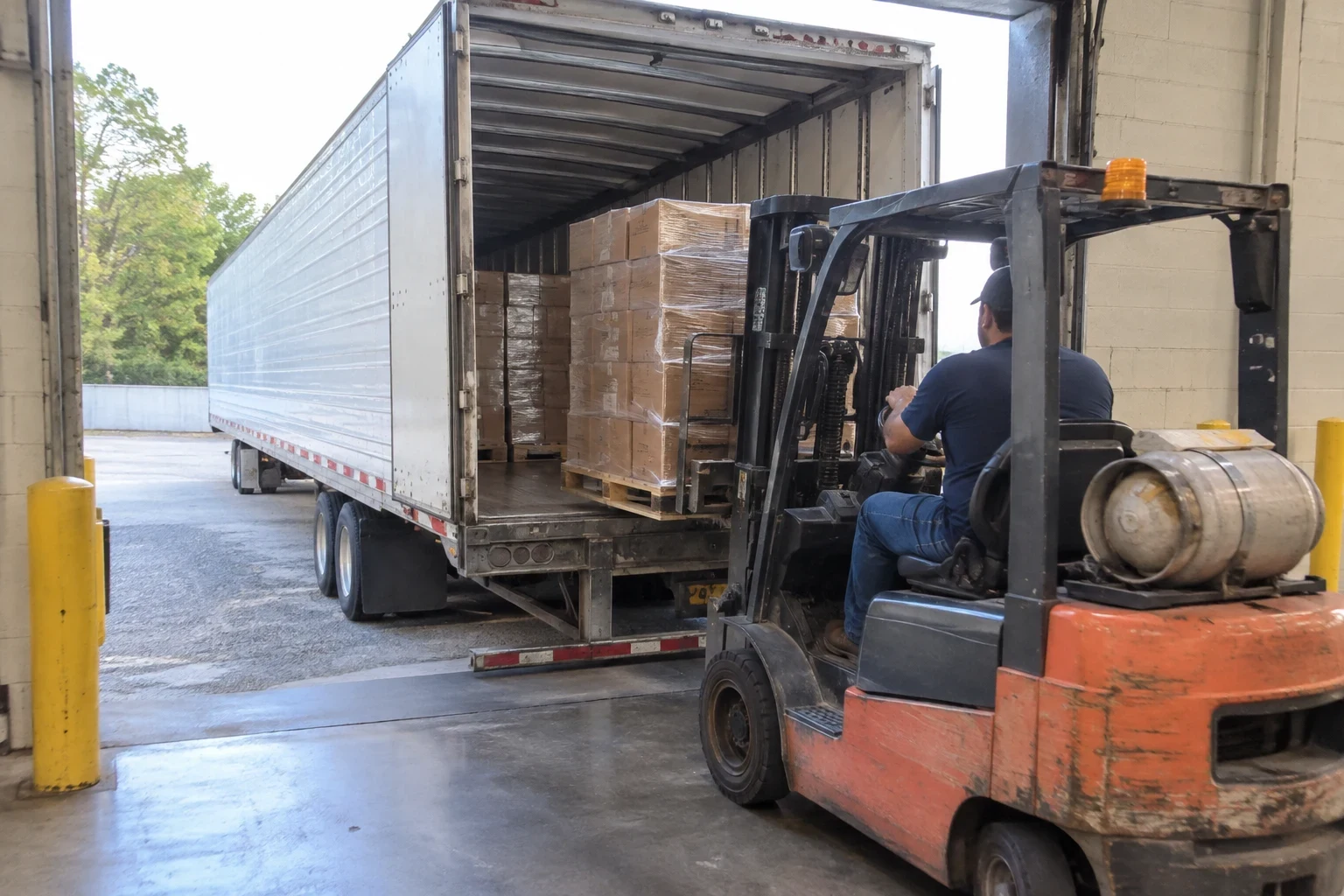
What cargo coverage pays for, and where it stops
Motor truck cargo insurance pays for loss or damage to the goods you are hauling for someone else. Think of a load of drywall soaked when a tarp tears, pallets crushed in a rollover, or a trailer of electronics stolen from a truck stop. Your auto liability policy does not touch the freight, and physical damage coverage only pays for the tractor and trailer.
The details decide whether a claim gets paid. Most cargo policies carry a list of excluded or limited commodities, an unattended vehicle clause, and conditions about how a reefer unit must be running and logged. A cheap policy with the wrong exclusion list can leave you owing a shipper for a load you thought was covered.
We read those forms line by line with you before anything is bound. The same person who quotes your policy also issues certificates, answers broker questions and walks you through a claim, so you are never explaining your operation twice.
What we set up on a cargo policy
- Commodity review
- We list every commodity you haul and check each one against the carrier's excluded and restricted list. Metals, electronics, tobacco, alcohol and livestock are common trouble spots.
- Limit matched to your contracts
- Brokers and shippers set a minimum cargo limit in their carrier packets. We size the per-load limit to cover your highest-value loads and the contracts you sign.
- Reefer breakdown endorsement
- If you run refrigerated freight, standard cargo forms often exclude spoilage. We add reefer breakdown coverage and explain what the carrier expects for unit maintenance and temperature records.
- Theft and unattended vehicle terms
- We point out exactly what the policy requires when a loaded trailer is parked, such as locked doors, kingpin locks or secured lots, so you know the rules before you stop for the night.
- Certificates of insurance
- We issue certificates naming your brokers and shippers as certificate holders and keep the list current when you sign on with someone new.
Signs your cargo coverage needs a second look
A broker rejected your certificate
Load boards and brokers check cargo limits automatically. If your limit sits below their minimum, you lose the load before you ever see the rate.
You started hauling something new
Moving from dry van general freight to copper wire, produce or machinery can put you into an excluded class. The policy does not adjust on its own.
You added a reefer trailer
Spoilage from a failed refrigeration unit is one of the most common cargo claims, and it is often excluded unless the endorsement is on the policy.
You leave loaded trailers parked
Drop-and-hook work and overnight parking raise theft exposure. Some forms deny theft claims when the truck was unattended in an unsecured spot.
You are leaving a lease to run your own MC authority
The carrier you were leased to covered the freight under its policy. Once you haul under your own MC authority, cargo coverage is on you.
How we build your cargo policy
- 1
Talk through your operation
By phone, video or at our office, we go over your trailer type, commodities, typical load values, lanes and where you park loaded. Your DOT number and MC authority details let us pull your record.
- 2
Compare forms, not just premiums
We gather quotes and lay the exclusions, deductibles and reefer terms side by side. You see where two policies with similar premiums actually differ.
- 3
Bind and send certificates
Once you choose, we bind coverage and send certificates of insurance to the brokers and shippers you work with.
- 4
Stay on the file
When you add a commodity, a trailer or a new broker, you call the same person. If a load is damaged or stolen, we help you report it and gather bills of lading, photos and temperature logs for the adjuster.
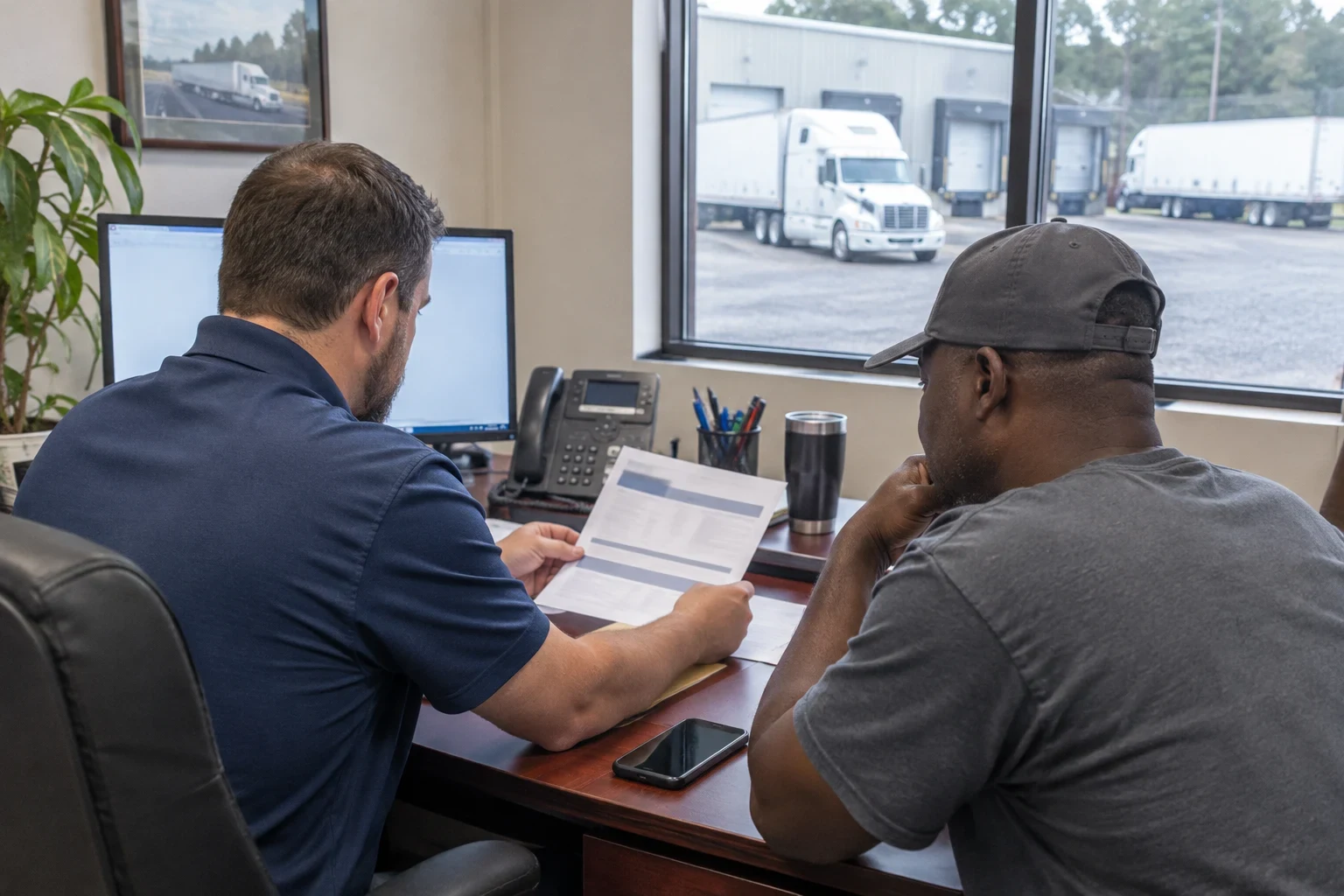
What moves the price of cargo coverage
Cargo premiums follow the risk of the freight itself more than the truck. Two operators with identical tractors can pay very different amounts because one hauls lumber and the other hauls consumer electronics. We show you which factors are driving your quote so you can decide where to adjust.
- Commodity class
- High-theft and easily damaged freight costs more to cover. Some commodities require a specialty carrier altogether.
- Limit and deductible
- A higher per-load limit raises the premium, and a higher deductible lowers it. We help you find the point where both fit your contracts and your cash on hand.
- Reefer and special endorsements
- Reefer breakdown, earned freight and debris removal endorsements each add cost. You only pay for the ones your freight needs.
- Loss history and experience
- Prior cargo claims and time under your own authority weigh heavily. New authorities usually see higher rates for the first year or two.
- Lanes and parking
- Routes through high-theft corridors and frequent overnight parking with loaded trailers can raise the premium.
Cargo insurance questions we hear often
Something not covered here? (770) 270-3686
Is cargo insurance required by law?
For most general freight, federal rules do not require cargo coverage the way they require auto liability. In practice nearly every broker and shipper contract does require it. Without a certificate showing an adequate cargo limit, most loads are off the table.
How is cargo coverage different from physical damage insurance?
Physical damage insurance pays to repair or replace your tractor and trailer. Cargo coverage pays for the freight inside the trailer. A single accident can trigger both, which is why we usually review them together.
Does my cargo policy cover a reefer unit failure?
Only if the policy includes a reefer breakdown endorsement. Even then, carriers often require proof the unit was maintained and running at the set temperature. We explain what records to keep so a spoilage claim is not denied over paperwork.
What happens if a broker needs a higher limit than I carry?
We can often raise the limit mid-term with an endorsement and issue an updated certificate. Give us the broker's carrier packet requirements and we will tell you what the change costs before you commit.
Who do I call if a load is stolen or damaged?
You call us, the same person who set up your policy. We help you report the loss to the carrier and pull together the bill of lading, photos, police report and any delivery receipts the adjuster will ask for. The adjuster decides the claim, but you will not be left guessing about next steps.
Get the right limit on the freight you haul
Tell us what you haul, where you run and which brokers you work with. We will walk through the exclusions and give you a quote you can compare line by line.