ServicesPhysical Damage Insurance
Physical Damage Insurance in Alpharetta
Physical damage coverage pays to fix or replace your own truck and trailer after a wreck, fire, theft or storm. We set the stated value, deductible and lienholder details with you, and the same person stays your contact from the first quote to any claim.
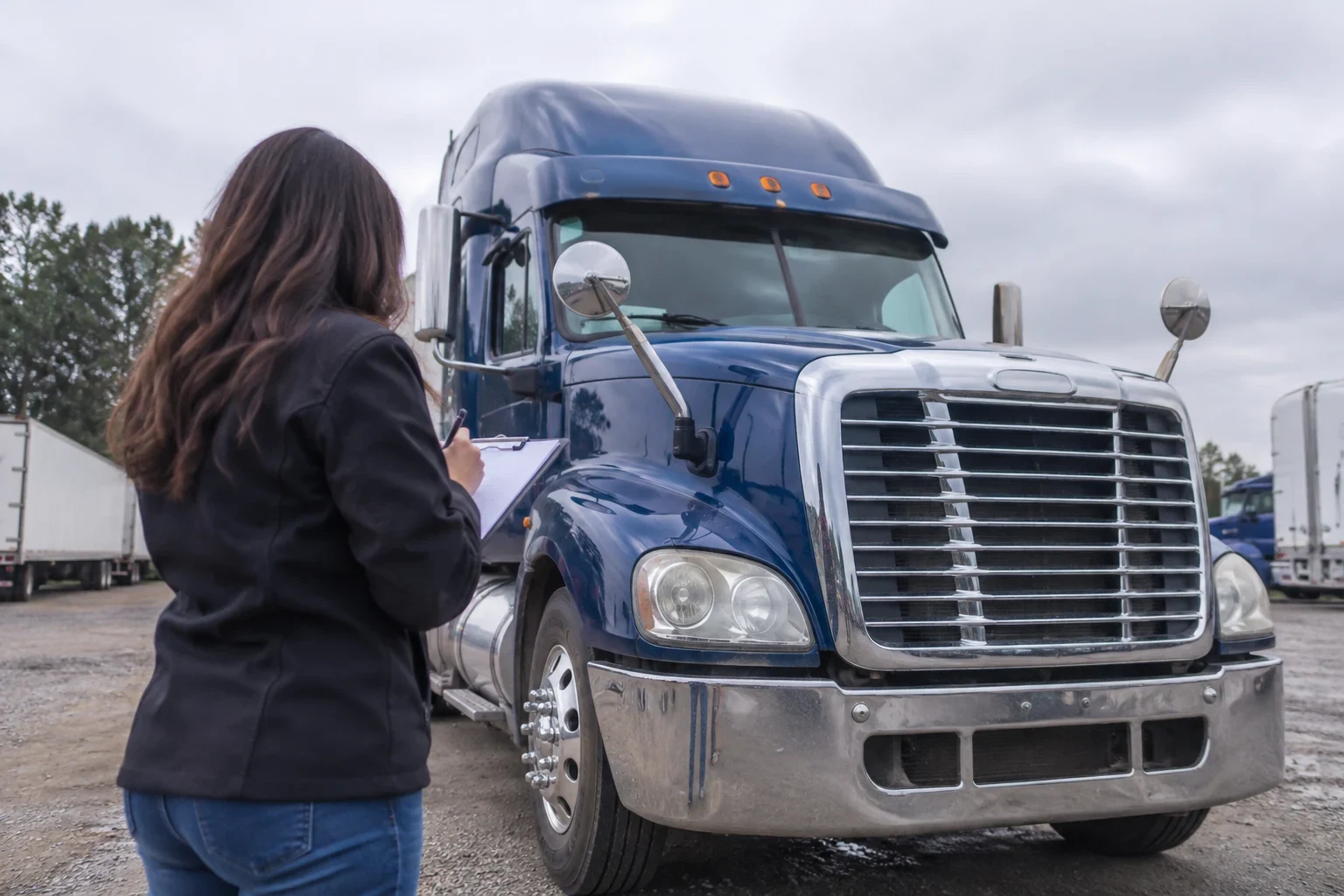
What physical damage coverage actually protects
Primary auto liability pays for damage you cause to other people. It pays nothing toward your own equipment. Physical damage insurance fills that gap. It has two parts: collision, which covers a rollover, a jackknife or hitting another vehicle or object, and comprehensive, which covers fire, theft, vandalism, hail, falling trees, flood and glass.
No federal or Georgia rule requires it. Your lender or lease company usually does, and if you own the truck outright, it is the coverage that decides whether a bad day ends your operation. One of us handles your quote, your policy changes and your questions, so you are not repeating your truck's history to a new person every call.
What goes into your physical damage policy
- 01
Collision coverage
Pays to repair or replace the unit after impact with another vehicle or object, or an upset. It applies regardless of who was at fault, minus your deductible.
- 02
Comprehensive or specified perils
Comprehensive covers fire, theft, vandalism, hail, wind, flood and glass. Some older units are written on specified perils instead, which names each covered cause. We tell you which form your quote uses and what that leaves out.
- 03
Stated value set per unit
Most truck policies pay the lesser of the stated value or actual cash value. We check the stated amount against current market value for your year, make and mileage so you are not paying premium on value the policy would never pay out.
- 04
Loss payee and lienholder listing
If a bank or lease company has a lien, it must be named as loss payee. We add it correctly and send the certificate of insurance your lender asks for.
- 05
Optional add-ons
Depending on the insurance company, towing and storage, rental reimbursement and coverage for permanently attached equipment like a sleeper upgrade or a liftgate can be added. We explain what each one pays and whether it makes sense for your trucks.
Questions about Physical Damage Insurance?
Call(770) 270-3686Signs you need physical damage coverage, or a better policy
You still owe on the truck
A lender will require collision and comprehensive with the lender listed as loss payee. If coverage lapses, the lender can force-place a policy that costs far more and protects only the bank.
You just leased on to a carrier
The motor carrier's liability covers the public, not your tractor. Leased-on owner-operators usually buy physical damage on their own, often alongside non-trucking liability (bobtail) insurance.
Your stated value is years old
Truck values move with the used market. A stated value set at purchase can now be too high, which wastes premium, or too low, which leaves you short after a total loss.
Your deductible no longer fits your cash
A high deductible lowers premium, but only works if you can cover it the week the truck goes in the shop. If that number has changed, the policy should too.
You added a trailer or new equipment
Units not listed on the schedule are not covered. Every new tractor, trailer or attached piece of equipment needs to be added with its VIN and value.
How we set up your coverage
- 1
A call about your equipment
We go over each unit's year, make, model, VIN, mileage and any upgrades, plus who holds the title and where the truck parks overnight. Parking and theft exposure matter more to comprehensive pricing than most drivers expect.
- 2
Value and deductible decisions
We compare the stated value you want against what the market supports and show how two or three deductible levels change the premium. You pick the balance.
- 3
Quotes from the markets that write trucks
We shop the coverage and walk you through each quote line by line: perils covered, exclusions, valuation method and any add-ons. Physical damage can be quoted with your other trucking coverage or on its own.
- 4
Binding and paperwork
Once you choose, we bind the policy, list your loss payee and send certificates to your lender or carrier. If you ever have a claim, you call the same person, and we explain each step with the insurance company's adjuster.
What moves your physical damage premium
Physical damage is priced mostly as a percentage of the value you insure, then adjusted for risk. A newer tractor costs more to cover than an older one simply because there is more to replace. Hail season across north Georgia also keeps comprehensive pricing from being an afterthought.
- Stated value of each unit
- The single biggest driver. Higher value means higher premium, which is why an accurate number matters.
- Deductible level
- Choosing a higher deductible shifts more of a small loss to you and lowers the premium. Collision and comprehensive can carry different deductibles.
- Driver record and experience
- Years of CDL experience, accidents and violations on the MVR affect collision pricing directly.
- Type of operation
- Long-haul, local, dump or hotshot work each carry different collision and theft exposure. Radius and commodity both count.
- Loss history
- Prior physical damage claims on your DOT number or personal history raise the rate. A clean few years helps at renewal.
Physical damage insurance questions
Is physical damage insurance required by law?
No. FMCSA filings cover liability, not your own equipment. Lenders and lease companies almost always require it, and many carriers require leased-on owner-operators to show it.
What is the difference between stated value and actual cash value?
Stated value is the amount you list on the policy. Actual cash value is what the truck was worth right before the loss, after depreciation. Most truck policies pay the lower of the two, so overstating value raises premium without raising the payout.
Does physical damage cover a trailer I pull but don't own?
No. Physical damage covers units you own or lease and list on your policy. A trailer you pull under an interchange agreement needs trailer interchange insurance.
Will it pay for the freight that was damaged in the wreck?
No. Physical damage covers the truck and trailer only. The load is covered under motor truck cargo insurance, which we can quote at the same time.
What happens if my truck is totaled and I still owe money on it?
The insurance company pays the covered value, and the lienholder listed as loss payee is paid first. If you owe more than the truck is worth, there can be a gap. We will explain that risk before you bind so the number is not a surprise.
Get your truck's value and coverage right
Have your VINs, mileage and lender information handy. We will go through each unit with you and explain your options in plain terms.