ServicesTrailer Interchange
Trailer Interchange Insurance in Alpharetta
When you sign an interchange agreement, the trailer's owner holds you responsible for damage while it's hooked to your truck. We read the agreement, set a limit that matches it, and get the certificate to the equipment provider so you can pick up the load.
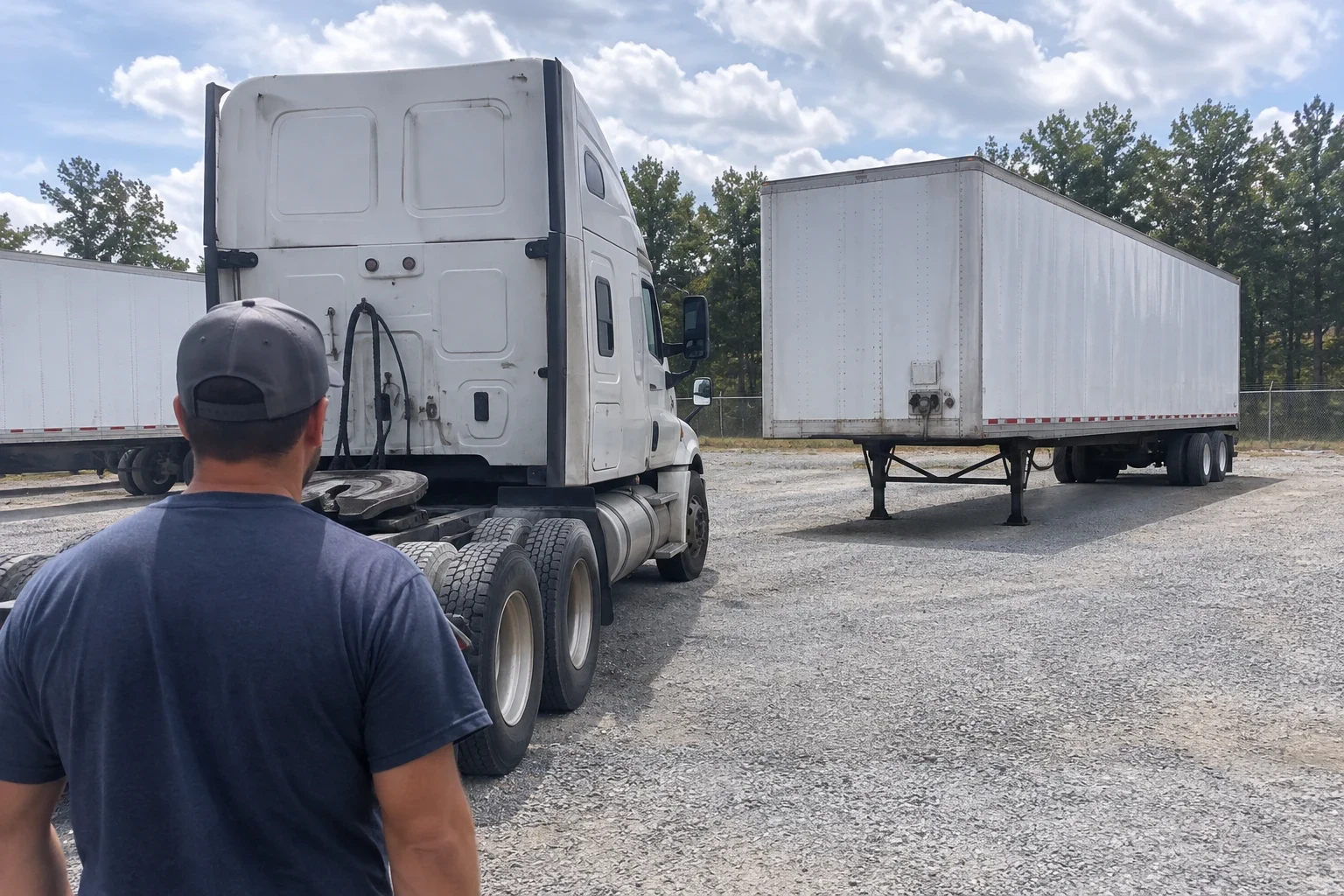
What trailer interchange coverage actually pays for
Trailer interchange insurance covers physical damage to a trailer, container or chassis you don't own, while it's in your possession under a written trailer interchange agreement. Think collision with a dock post, a jackknife on a wet ramp, fire from a dragging brake, or theft from a drop yard. Your auto liability pays for damage you cause to other people's property on the road, but it excludes property in your care. Your cargo coverage pays for the freight inside, not the box around it. Interchange fills that gap.
The written agreement is the key part. Intermodal carriers working under the UIIA, and carriers swapping trailers with another motor carrier, sign contracts that shift damage responsibility to them. Without the matching coverage, a destroyed reefer trailer is a bill you pay out of your operation's cash.
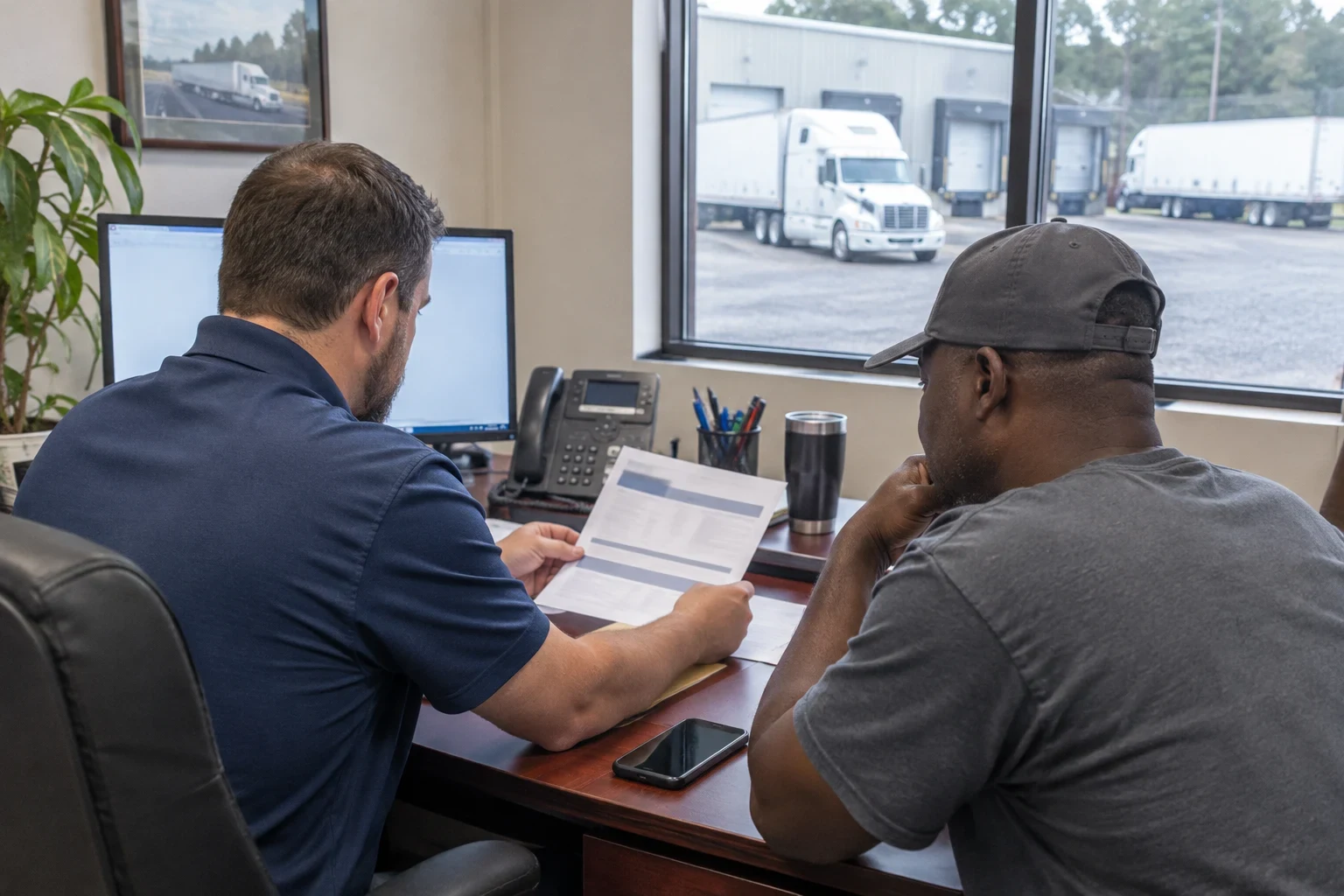
One person here handles your file from the first question to the certificate of insurance, so you aren't explaining the same agreement to three different people.
What we set up on a trailer interchange policy
- 01
Collision and comprehensive on non-owned units
Coverage for damage from upset and collision, plus fire, theft, vandalism, wind and hail while the trailer is in your care. We confirm which perils the carrier's form actually lists.
- 02
A limit sized to the trailer
A 53-foot reefer and a 20-foot container chassis are worth very different amounts. We set the per-unit limit from the value of the equipment you actually pull and the minimum your agreement names.
- 03
Loss of use, where available
Some agreements charge per diem while a damaged trailer sits in the shop. We check whether your policy can include that cost and tell you plainly if it can't.
- 04
Certificates to equipment providers
Steamship lines, leasing companies and other carriers want a certificate of insurance before they release equipment. We issue it and send updates when your policy renews.
- 05
Coordination with your other coverage
Interchange sits next to your primary auto liability, physical damage on your own tractor and motor truck cargo. We line them up so the same loss isn't excluded on every form.
Questions about Trailer Interchange?
Call(770) 270-3686Signs you need trailer interchange coverage
You signed a UIIA or similar contract
Intermodal drayage almost always runs under an interchange agreement. Equipment providers check for interchange coverage before you can pull their chassis.
You swap trailers with another carrier
Trading a loaded trailer at a midpoint so both drivers get home is common. The contract you sign for that swap usually puts damage on whoever has it hooked.
A shipper or provider rejected your certificate
If your certificate only shows liability and cargo, you'll be turned away at the gate. That's usually the first sign the gap exists.
You assumed your physical damage policy covered it
Physical damage on your own equipment lists scheduled units by VIN. A trailer you don't own isn't on that schedule.
How getting coverage works
- 1
Send us the agreement
Talk with us by phone or video and share the interchange contract. We look for the required limit, who pays the deductible, and whether loss of use is your responsibility.
- 2
Describe the equipment
Tell us what you pull: dry vans, reefers, flatbeds, container chassis. We also need your DOT number, MC authority, driver list and loss history.
- 3
Review the quote line by line
We show the premium, limit, deductible and covered perils for each option, and explain what each form excludes before you choose.
- 4
Bind and file the certificate
Once you approve, we bind coverage and send the certificate of insurance to each equipment provider you name, so the same person who quoted you also finishes the paperwork.
What moves the premium
Trailer interchange is priced mostly on how much equipment you could damage and how often. Carriers also look at your record and how your operation runs. We explain each factor on your quote so the number makes sense.
- Limit per trailer
- Higher-value equipment needs a higher limit, and the premium rises with it. Reefer units with refrigeration machinery cost more to replace than dry vans.
- How many units you hold at once
- A carrier with one chassis on the road carries less exposure than one dropping and hooking several trailers a day.
- Deductible
- A larger deductible lowers the premium, but check your agreement first. Some contracts make you cover the deductible either way.
- Loss history and driving record
- Prior trailer claims and driver violations both push the rate up. Clean years over time push it down.
- Type of hauling
- Port and rail drayage around metro Atlanta, regional swaps and long-haul exchanges carry different risks, and underwriters price them differently.
Trailer interchange questions
How is this different from non-owned trailer coverage?
Trailer interchange applies when there's a written agreement transferring responsibility for the trailer to you. Non-owned trailer physical damage covers trailers you pull without that kind of contract. Many carriers need one or the other, and some need both. We'll look at how you get your trailers and tell you which one fits.
Won't my auto liability cover a trailer I damage?
No. Auto liability excludes property in your care, custody or control, and a trailer hooked to your truck is in your control. That exclusion is exactly why interchange coverage exists.
I'm leased onto a carrier. Do I buy this myself?
It depends on your lease. Some motor carriers cover interchanged trailers on their own policy and others push that responsibility to the owner-operator. Send us the lease and we'll find the clause that answers it.
Does motor truck cargo pay if the trailer is damaged?
Cargo coverage pays for the freight, not the trailer or container itself. If a reefer rolls over, you may have a cargo claim and an interchange claim from the same accident.
What limit should I carry?
Start with the minimum in your interchange agreement, then compare it with the replacement value of the most expensive unit you pull. If the agreement says less than the trailer is worth, you can still owe the difference, so we usually size to the equipment.
Get the interchange gap closed before your next pickup
Have your interchange agreement and equipment list handy. One person will review it with you, quote the coverage and send the certificate where it needs to go.