ServicesPrimary Auto Liability
Primary Auto Liability Insurance in Alpharetta
Primary auto liability pays for injuries and property damage your truck causes to others, and it keeps your MC authority active. We quote it, place it, file it with FMCSA and handle the certificates afterward, so you deal with one person the whole way.
What primary auto liability covers and why FMCSA cares
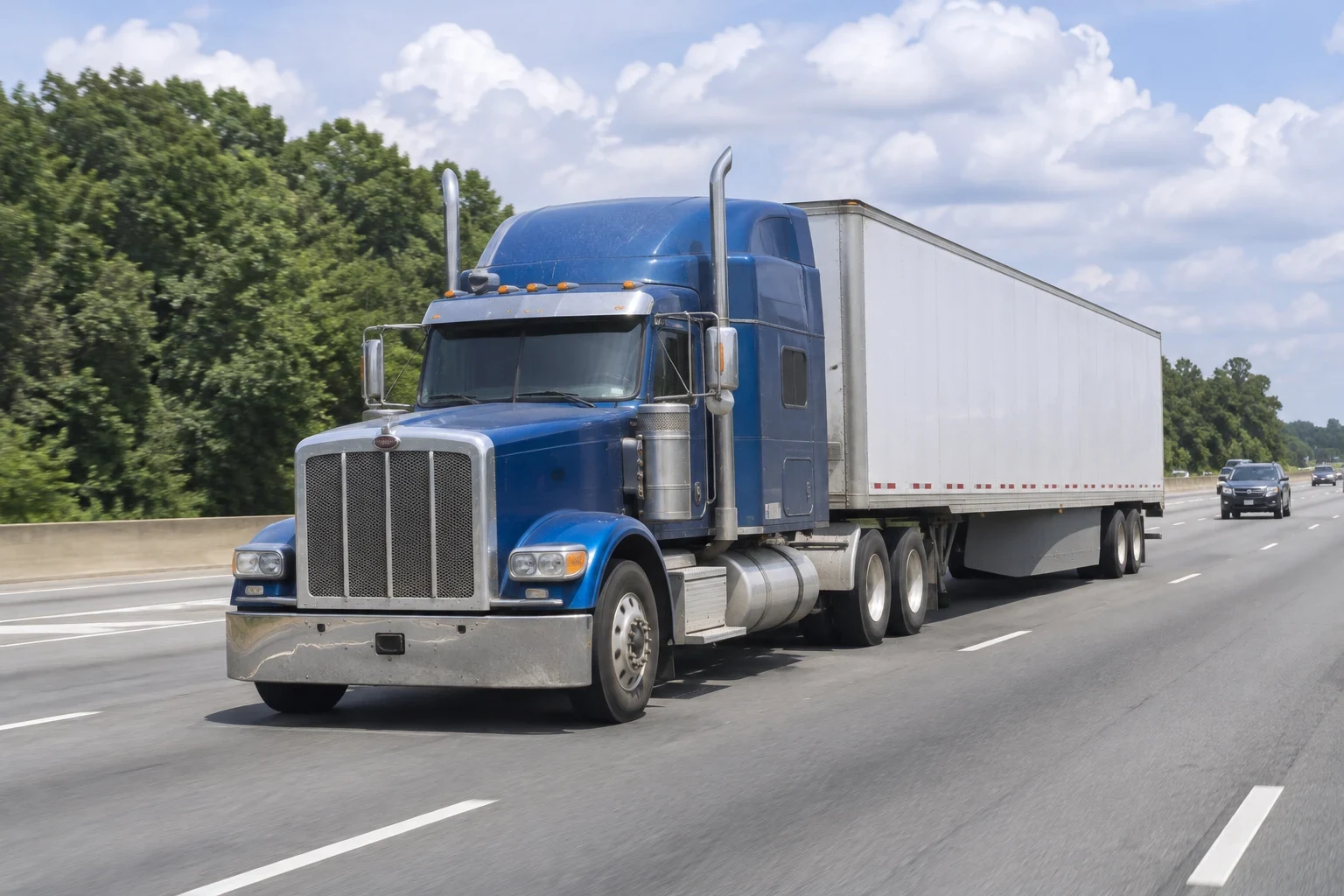
Primary auto liability is the coverage that responds first when your truck is at fault in a crash. It pays for the other driver's medical bills, their vehicle, a damaged guardrail or storefront, and your legal defense if you are sued. It does not pay to fix your own truck. That is physical damage insurance, a separate policy.
For a for-hire motor carrier it is also a regulatory requirement. Your insurer files a BMC-91X form electronically with FMCSA, and that filing is what keeps your MC authority from going into pending revocation. The policy carries an MCS-90 endorsement, which guarantees the public gets paid up to the federal minimum even if a claim falls outside your policy terms. The minimum limit depends on what you haul, and hazmat carriers need much more than general freight carriers.
Most of our clients run out of Alpharetta and the towns around it, from Roswell to Woodstock to Duluth. One person here takes your call, gathers your information, quotes the coverage and stays on your file for the filings and changes that follow.
What we handle on a primary liability policy
- Choosing the right limit
- The federal floor is rarely what brokers and shippers accept. We look at the loads you want to book and the limit their contracts ask for, then quote at that level so you are not turned away at the rate confirmation.
- The BMC-91X filing
- Once you bind, the insurer submits the filing to FMCSA. We check your public record afterward and tell you when it shows, because an authority that is not yet active cannot legally haul for hire.
- Scheduled units and drivers
- Most trucking liability policies list each power unit by VIN and each driver by name. We set that schedule up correctly at the start so a claim is not denied over a truck or driver that was never added.
- Certificates of insurance
- Brokers want a certificate of insurance before they release a load, often with their name as certificate holder. You call the same person who wrote the policy, and the certificate goes out with the right limits and wording.
- Changes during the term
- Adding a truck, dropping a driver, or extending your radius each changes the policy. We process the endorsement and explain any premium change before it takes effect.
Signs it is time to set up or review your liability coverage
You are getting your own MC authority
FMCSA will not activate a new authority until a liability filing is on record. If your authority has been granted and is waiting on insurance, this is the policy it is waiting for.
You are leaving a lease
While leased on, you run under the carrier's liability. The day you go independent, that coverage stops covering your dispatched loads, and you need your own.
A broker asked for a higher limit
If loads are slipping away because your certificate shows less than the broker requires, the limit is the problem, not your rate.
You received a cancellation or nonrenewal notice
When a policy cancels, the insurer files a cancellation with FMCSA and the clock on your authority starts. Replacement coverage has to be in place before that date.
Your operation changed
A new commodity, a longer radius, or a third truck can push you outside what your current policy was rated for. Running that way risks a gap at claim time.
What moves the premium on primary liability
Liability is usually the largest piece of a trucking insurance bill, because it covers what your truck can do to other people. Insurers price it on how likely a serious claim is and how large it could get. These are the factors we see move it most.
Driver records and experience
Years holding a CDL, recent violations and at-fault accidents on each driver's MVR carry heavy weight. One driver with a fresh major violation can change the premium for the whole policy.
Time in business and loss history
A new authority has no track record, so insurers price conservatively. Clean loss runs over a few years usually earn better terms at renewal.
Radius, routes and commodity
Long-haul miles through dense metro traffic carry more exposure than local work. Freight type matters too, since some loads produce larger claims when something goes wrong.
Limit and unit count
A higher limit costs more, and each added power unit adds exposure. We price the limit your contracts require, not one higher than you need.
Safety and inspection record
Insurers review your FMCSA inspection history and CSA scores. Out-of-service violations for brakes, lights or hours of service read as a sign of future claims.
How a liability quote works with us
- 1
A phone call to gather the facts
We ask for your DOT number, truck VINs, each driver's name, date of birth and years of CDL experience, your operating radius, and what you haul. If you have prior coverage, loss runs from your last insurer help a lot.
- 2
Shopping the markets
We take that file to insurers that write your class of trucking. A new authority hauling general freight fits different markets than an established dump truck operation.
- 3
Walking through the quote
We go over the limit, the deductible if there is one, the listed units and drivers, and any exclusions, such as radius limits or excluded commodities. You know what is covered before you sign anything.
- 4
Binding, filing and certificates
After you bind, the insurer files with FMCSA, and we confirm it posts. Your first certificates go to the brokers you name, and the same person handles every request after that.
Primary auto liability questions we hear often
How is primary liability different from bobtail coverage?
Primary liability covers your truck while it is working under dispatch. Non-trucking liability, sometimes called bobtail insurance, is for leased owner-operators and covers the truck when it is off dispatch, such as driving home after a delivery. If you run your own authority, primary liability is the policy you need.
Does this policy pay to repair my truck after an accident?
No. Primary liability pays for damage and injuries you cause to others. Damage to your own tractor or trailer falls under physical damage insurance, and the cargo you are hauling falls under motor truck cargo insurance.
Is the federal minimum limit enough?
It keeps your authority legal, but many brokers and shippers require more before they will tender a load. The minimum also may not cover a serious multi-vehicle crash, and anything above your limit can come back to your business. We look at your contracts and freight before recommending a limit.
What happens if I hire a new driver mid-term?
Call us before that driver takes a load. We send the driver's information to the insurer for approval and add them by endorsement. A driver who is not on the schedule may not be covered, and that can mean a denied claim.
How do I know my filing reached FMCSA?
The insurer submits the BMC-91X electronically after you bind. We watch your FMCSA record and let you know once the filing appears, so you are not guessing about when your authority can run.
Get your liability coverage and filing set up right
Have your DOT number, truck VINs and driver information ready, and we will walk through the limit and the quote with you. The person who answers is the one who handles your filing and certificates later.