What Is the Average Cost of Trailer Insurance in Alpharetta?
The price of trailer coverage depends on what you pull, who owns it and how the rest of your operation is covered, so the useful answer is the list of things that set it.
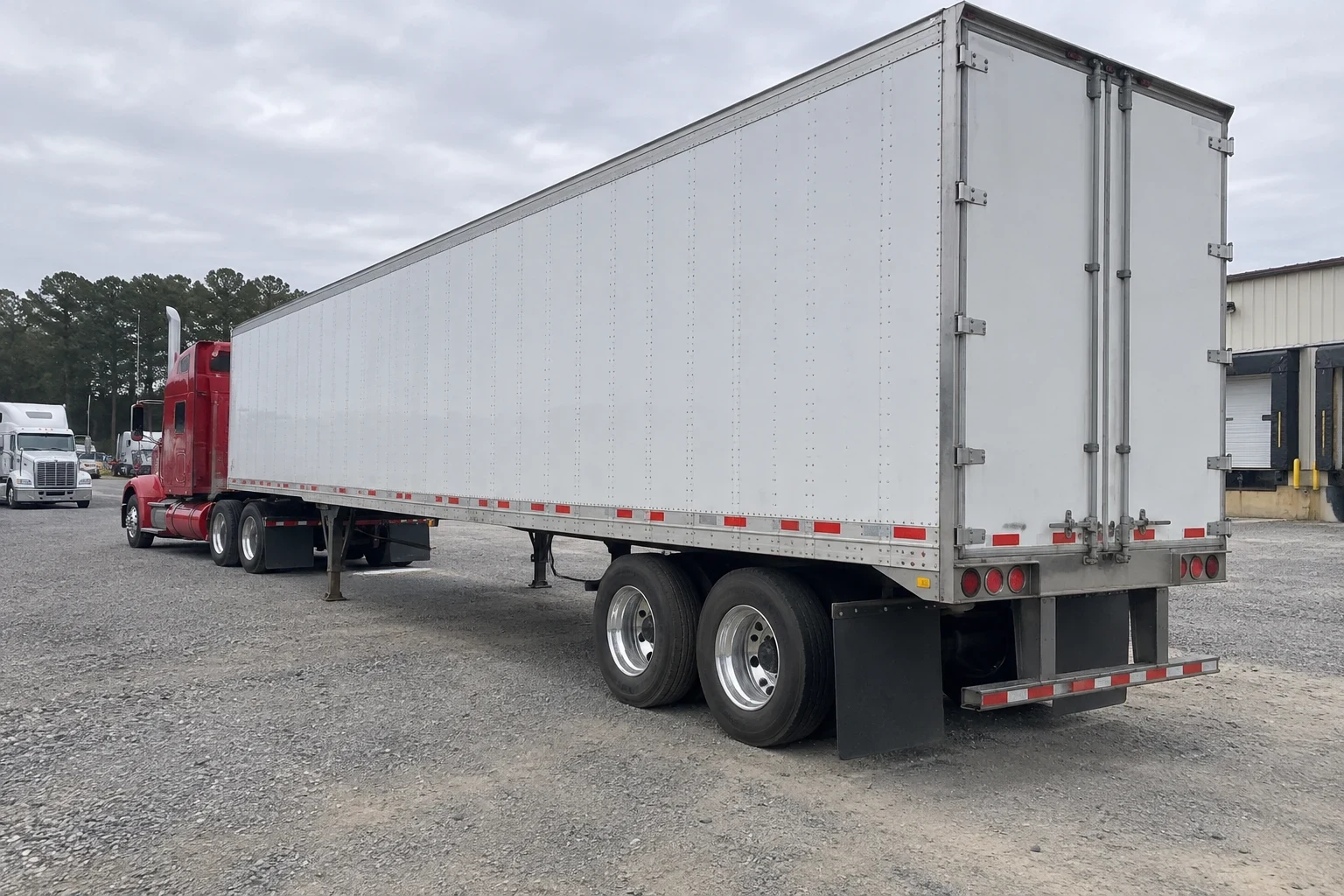
What is the average cost of trailer insurance?
There is no reliable average cost for trailer insurance, because trailer coverage is not one product. The premium depends on whether you own or interchange the trailer, its stated value and type, your deductible, and your driving and authority history. Get a quote built on your actual trailer by phone at (770) 270-3686.
Why does trailer insurance not have one average price?
Trailer insurance is a label people use for several different coverages. For an owned trailer, it usually means physical damage coverage, which pays to repair or replace the trailer itself after a collision, fire, theft or overturn. For a trailer you pull under someone else's ownership, it usually means trailer interchange coverage, which protects a non-owned trailer while it sits in your care under a written interchange agreement.
Liability works differently again. In most setups, the liability that protects other people on the road comes from the policy on your power unit, and it extends to the trailer while it is hooked up. So when someone quotes an average, they are often mixing two or three coverages with very different rating rules.
Ask what the number actually covers before you compare it to anything. A low figure for physical damage alone and a higher one that includes interchange are not the same purchase.
What sets the premium on an owned trailer?
Physical damage on an owned trailer is rated mostly on stated value, the amount you declare the trailer is worth. Declare too high and you pay for value you could never collect. Declare too low and a total loss leaves you short. We check the stated value against the trailer's year, make and condition before we quote.
The trailer type matters because each one fails in its own way. A reefer carries a refrigeration unit that can be damaged separately from the box. A flatbed or step deck takes abuse from chains and binders. An end-dump trailer working construction sites rolls over more often than a dry van running interstate.
- Stated value of the trailer and any attached equipment, such as a reefer unit
- Trailer type: dry van, reefer, flatbed, step deck, gooseneck or dump
- Deductible you choose, since a higher deductible lowers the premium
- Where the trailer is parked overnight and how it is secured against theft
- Loss history on your trailers over the past several years
How is trailer interchange coverage priced?
Trailer interchange is priced on the limit you need, and that limit usually comes from the interchange agreement or the shipper contract. If the agreement says you are responsible for a trailer worth a certain amount, your limit has to meet it, and a higher limit costs more.
Some carriers buy non-owned trailer physical damage instead, which covers trailers you pull without a formal interchange agreement. The two read differently in a claim, so we look at the actual paperwork you sign before recommending either. Carriers around Alpharetta often swap trailers at drop yards, which is exactly where the agreement wording decides who pays.
Where does bobtail coverage fit in?
Non-trucking liability, often called bobtail coverage, is the piece many leased owner-operators miss. When you are leased to a motor carrier, the carrier's primary liability typically covers you while under dispatch. Once you are off dispatch, driving the tractor to the shop or on your own time, that coverage may not apply, and non-trucking liability fills the gap.
Bobtail coverage protects third parties, not your trailer. It is priced separately from trailer physical damage, and it usually costs less than primary auto liability because it only applies when you are not working. If you drop the trailer and run the tractor on personal errands, this is the coverage that answers for an accident.
What about you, not the trailer, changes the quote?
Underwriters rate the driver and the operation along with the equipment. A clean motor vehicle record and several years with your MC authority both pull the premium down. A new DOT number with no loss history is rated more cautiously, which is why new authority quotes tend to come in higher at first.
Radius and commodity count too. Local hauling within a short radius is rated differently from long-haul, and certain cargo types raise the risk of fire, spill or theft. All of this ties back to how your trucks and trailers are listed on one policy, so it helps when one person sees the whole picture and writes the coverage to match.
- Driving record of every driver who pulls the trailer
- Years under your current MC authority
- Operating radius and the states you run
- What you haul and how often the trailer sits loaded
Trailer insurance questions
Something not covered here? (770) 270-3686
Do I need a certificate of insurance for a trailer?
Shippers, brokers and trailer owners often ask for one before you pull a load. We issue the certificate showing the trailer coverage and limits your agreement calls for.
Can I add a trailer to my existing truck policy?
Usually yes. Listing the trailer on the same policy as your power unit keeps the liability connection clear and avoids gaps between two carriers.
Does physical damage cover the cargo inside the trailer?
No. Freight is covered by motor truck cargo insurance, which is a separate coverage with its own limit and deductible.
Will a higher deductible always save money?
It lowers the premium, but only makes sense if you can pay that deductible out of pocket after a loss. We walk through both sides before you pick one.
Get a trailer quote built on your equipment
One person takes your call, reviews your trailers, agreements and authority, and quotes the coverage you actually need. The same person handles your filings and certificates afterward.